Sevron COSHH compliance software - Safety platform for risk assessments and data sheets
CONTACT USSIGN IN
GET STARTED FREE
Chemical Management
Health & Safety Software
Implementation Services
Learning

By Role

Small Business OwnerSafety OfficerManufacturerMulti-Site DirectorSafety Consultant

By Industry

ManufacturingConstruction & EngineeringFuel & EnergyTechnologyHealthcareProfessional Services
Safety365 Subscription ProposalSmall Business BundleSevron BlogsUltimate COSHH Guide (PDF)Accelerated Compliance Brochure (PDF)COSHH GuideCOSHH Mock InspectionCOSHH Risk Assessment AuditBetaAll Resources
Our StorySuccess StoriesPartnersCertificationsAccelerated Compliance
CONTACT USSIGN IN
GET STARTED FREE
Safety 365
Accelerated Compliance
BOOK A DEMO
Chemical Management Software
Health & Safety Software
Implementation Services
Learning
COSHH AssessmentsRisk Assessments optimised for COSHH complianceFree and paid plans
COSHH Assessment SummaryEssential COSHH Assessment info in one clear summaryFree and paid plans
The 5-Step Risk Assessment WizardThe world's first AI-powered Risk Assessment solutionFree and paid plans
Safety Data Sheet SolutionsAccess to millions of SDS, a centralised inventory, SVHC monitoring, etc.Free and paid plans
SDS SearchFind your SDS from the UK's largest SDS databaseFree and paid plans
SDS DistributionDistribute safety data sheets to your teams and stakeholdersFree and paid plans
SDS ManagementStore, organise, and manage your SDS inventory in one placeFree and paid plans
Contact salesSee all features
Safety 365
Accelerated Compliance
BOOK A DEMO

Solutions by Role

Small Business OwnerOwner-led operations
Safety OfficerWorkplace safety leads
ManufacturerManufacturing operators
Multi-Site DirectorEnterprise executives
Safety ConsultantSafety advisor for clients

Solutions by Industry

ManufacturingFactory & production
Construction & EngineeringBuild & infrastructure
Fuel & EnergyOil, power, utilities
TechnologyTech & assembly firms
HealthcareMedical & care facilities
Professional ServicesField-based services
Contact salesSee all use cases
Safety 365
Accelerated Compliance
BOOK A DEMO
Safety365 Subscription Proposal
Enterprise pricing plans & feature breakdownsSubmit request
Small Business Bundle
Free Safety365 account for sole traders and micro-businessesRequest free account
The Accelerated Compliance Software Demo
Watch the Safety365 demo on demand — SDS management, COSHH risk assessments, and audit readiness. Free access.Watch the demo
Sevron Blogs
Insights on compliance, COSHH, safety culture, and moreNews & articles
Ultimate Guide to COSHH Compliance
Free PDF: COSHH compliance strategy, risk assessment, and UK HSE contextFree PDF download
Sevron Development Roadmap
Our product development pipeline and upcoming featuresFile download
COSHH Management Mock Inspection
16 HSE-style questions to score your COSHH compliance in 5 minutesStart mock inspection
SPOT AI COSHH Risk Assessment AuditBeta
AI-powered audit tool for your COSHH risk assessment complianceTry SPOT AI
The Complete COSHH Guide
Everything you need to know about COSHH compliance in the UKRead the guide
Sevron Accelerated Compliance Brochure
Overview of Safety365 features, benefits and client outcomesFree PDF download
Contact salesAccess all resources
Our StoryAbout Sevron
Success StoriesCustomer outcomes
PartnersPartner ecosystem
CertificationsISO & compliance
Accelerated ComplianceCertified, Competent, Compliant
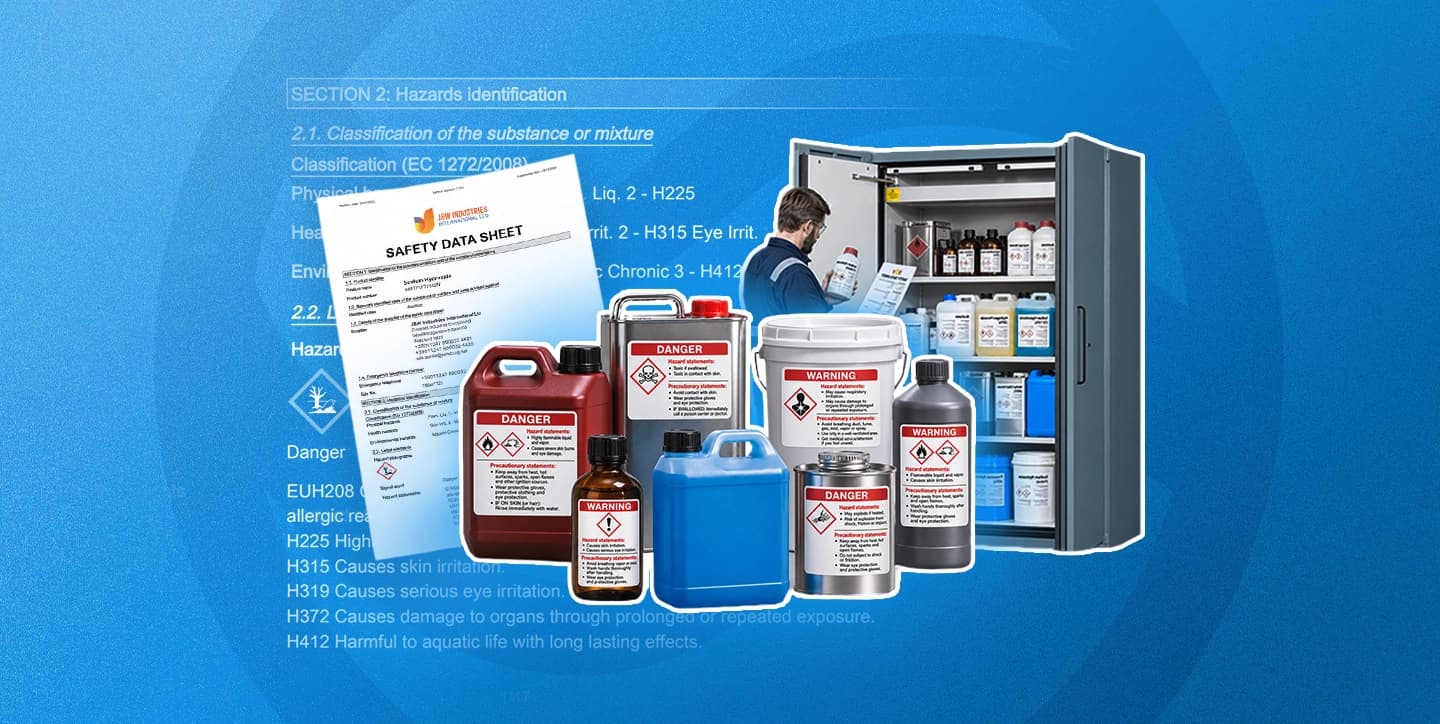
A safety data sheet open at section 2 beside containers labelled with flame, exclamation, corrosion and health-hazard diamonds, and a worker reading a sheet at an open chemical cabinet.

What Hazard Pictograms Leave Off a Chemical Label

The colorful circular brand icon for Sevron, a leading provider of COSHH risk assessment and health and safety compliance software.BLOG

Sevron provides industry-leading software solutions to simplify health, safety, and COSHH compliance.

Home/Resources/Blog/What Hazard Pictograms Leave Off a Chemical Label

Article 26 of GB CLP deliberately removes pictograms that would otherwise be redundant. The diamonds on a label can be fewer than the hazard classes behind them.

UPDATED NOV 13 2026·7 MIN READ
Reviewed by
Dale Allen
Dale Allen

Key Points

  • Nine pictograms, and a label shows a subset: GHS01 through GHS09 cover physical, health and environmental hazards, and the precedence rules cut what reaches the container.
  • Precedence rules suppress symbols on purpose: Where the skull and crossbones applies, the exclamation mark is dropped for the same hazard. Where the exploding bomb applies, the flame and flame-over-circle become optional.
  • Some classified hazards carry no diamond: Aquatic chronic category 3 generates a hazard statement with no pictogram and no signal word, and other low-severity categories do the same.
  • The codes are for reference and not for labels: GHS01 to GHS09 identify the pictograms in classification documents. They do not appear on the label itself.
  • The pictogram names a class and not a hazard: GHS08 covers carcinogenicity, mutagenicity, reproductive toxicity, respiratory sensitisation and organ toxicity, and the symbol looks the same for all of them.
  • Orange squares are still in circulation: The old CHIP symbols were replaced by the red diamonds, and legacy signage and training material keep them alive on site.

A pictogram tells you a class of hazard is present. It stops there.

The Health and Safety Executive (HSE) sets out what each pictogram covers, and the health hazard silhouette appears for carcinogenicity, for germ cell mutagenicity, for reproductive toxicity, for respiratory sensitisation and for specific target organ toxicity. Five very different problems, one symbol, and the control decisions those problems demand have almost nothing in common.

That much is a compression the system openly admits to. What gets less attention is the second layer of compression sitting underneath it, where the rules actively remove pictograms that would otherwise appear. Reading a label carefully still leaves you working from an edited list.

Great Britain runs its own version of the classification system. HSE confirms that the EU CLP Regulation as amended is assimilated into GB law, so Great Britain continues to adopt the United Nations system independently. The pictogram rules described here come from that assimilated text, and how the hazard classes behind them are assigned is a separate question from what reaches the label.

Why a label rarely shows every hazard

Article 26 of the assimilated CLP Regulation sets out rules of precedence. Where a classification would produce more than one pictogram, those rules cut the number that has to be displayed.

The purpose is legibility. A container carrying six diamonds communicates less than one carrying two, because nothing stands out. The consequence is that the label shows a selection, chosen for what communicates fastest.

When the more severe symbol absorbs the milder one

The clearest case is the skull and crossbones. Where acute toxicity triggers GHS06, the exclamation mark GHS07 does not appear for the same hazard. A reader looking for the irritant symbol will not find it, and the irritant classification has not gone anywhere.

Corrosion behaves the same way. Where skin corrosion triggers GHS05, the exclamation mark is dropped for skin irritation, because the more serious classification already covers the ground.

When one physical hazard makes another optional

The exploding bomb carries a broader suppression. Where GHS01 applies, the flame GHS02 and the flame-over-circle GHS03 become optional.

Optional matters here. Two suppliers with identical classifications can produce labels that look different, both of them correct. A comparison between two products based on counting diamonds will mislead you.

The hazards that carry no diamond at all

Suppression is one thing. The other is that certain classified hazards never generate a pictogram in the first place.

Aquatic chronic category 3 is the cleanest example. A substance classified in that category carries the hazard statement and nothing else. No pictogram. No signal word. The classification exists, it appears in section 2 of the Safety Data Sheet, and the container gives no visual sign of it.

HSE makes the wider point plainly, noting that pictograms are only one aspect of a hazard label and that the hazard statements carry information the symbols do not.

For anyone building an inventory from what is visible on the shelf, that is the gap. A container with a single flame diamond can be classified for three or four separate hazards, two of which produce no symbol and one of which has been suppressed by precedence. The Safety Data Sheet holds the full picture. The label holds the summary.

Section 2 of the sheet carries the classification in full, including whatever precedence has removed from the label. Where the copy on file is out of date, current sheets are searchable by substance.

From pictogram to duty

The nine pictograms divide across the same three families the classification system uses, and the families route to different parts of UK law.

The physical hazard symbols cover explosivity, flammability, oxidising properties and gases under pressure. They route to DSEAR and its own assessment duty, which the COSHH file does not reach.

The health hazard symbols cover acute toxicity, corrosion, irritation and the serious long-term effects grouped under GHS08. They engage COSHH, where the hazard statement sets the control standard.

The environment symbol routes away from worker protection law entirely, into permitting and waste duties.

Knowing which family a symbol belongs to answers a more useful question than knowing what the symbol depicts.

The orange squares still in circulation

The red diamonds replaced an earlier set of orange square symbols used under the CHIP regulations. HSE records that CLP replaced CHIP on 1 June 2015, with substances having moved across earlier and older stock lingering on shelves through a sell-through period after that.

The symbols themselves are long gone from new labels. What persists is everything built around them. Laminated wall charts, induction packs, older COSHH Assessments quoting the previous symbol set, and workers who learned the orange squares and were never formally retrained on the diamonds.

That is a training record problem. A worker who confidently identifies an orange square and hesitates over the equivalent diamond has been taught a system that no longer exists on any container arriving on site.

Keeping the reading consistent across a site

One person reads a label and files an assessment. Another reads the same label two years later after a supplier revision and reaches a different conclusion, because the diamonds moved and nobody recorded why.

The pictogram is the shortest summary of a classification. The classification sits in the Safety Data Sheet. The duties sit in the assessment built on both. Three layers, and the risk is that each gets read independently.

Sevron built Safety365 around holding those layers together. COSHH Assessments built against each substance record stay tied to the Safety Data Sheets behind them, so a change in classification surfaces against the assessments it affects without depending on somebody spotting a different symbol on a drum. The Accelerated Compliance framework wraps that in training, which is where the orange square problem gets solved.

The diamonds are a summary written for a glance. The assessment has to be written from the whole thing.

Frequently Asked Questions

How many hazard pictograms are there?

Nine, coded GHS01 to GHS09. They cover physical, health and environmental hazards, and most products carry between one and four.

Do the GHS codes appear on the label?

No. The codes identify the pictograms in classification documents and Safety Data Sheets. The label carries the symbol itself.

Why do two similar products show different pictograms?

Precedence rules under Article 26 can make some pictograms optional where a more severe one already applies. Two suppliers with the same classification can produce labels that look different and are both correct.

Can a substance be classified as hazardous with no pictogram?

Yes. Aquatic chronic category 3 generates a hazard statement with no pictogram and no signal word, and other low-severity categories behave similarly.

What replaced the old orange hazard symbols?

The red diamond pictograms under the CLP Regulation. The orange squares came from the earlier CHIP regime and no longer appear on new labels.

Does a pictogram tell me which regulations apply?

It tells you the family. Physical hazard symbols point to fire and explosion duties, health hazard symbols to COSHH, and the environment symbol to permitting and waste duties.

Sevron Team
About Sevron Team

Safety & Compliance Experts

The Sevron team brings decades of combined experience in health and safety compliance, risk assessment, and workplace safety solutions.

Dale Allen

Reviewed by

Dale Allen

CEO & Founder
Related Articles

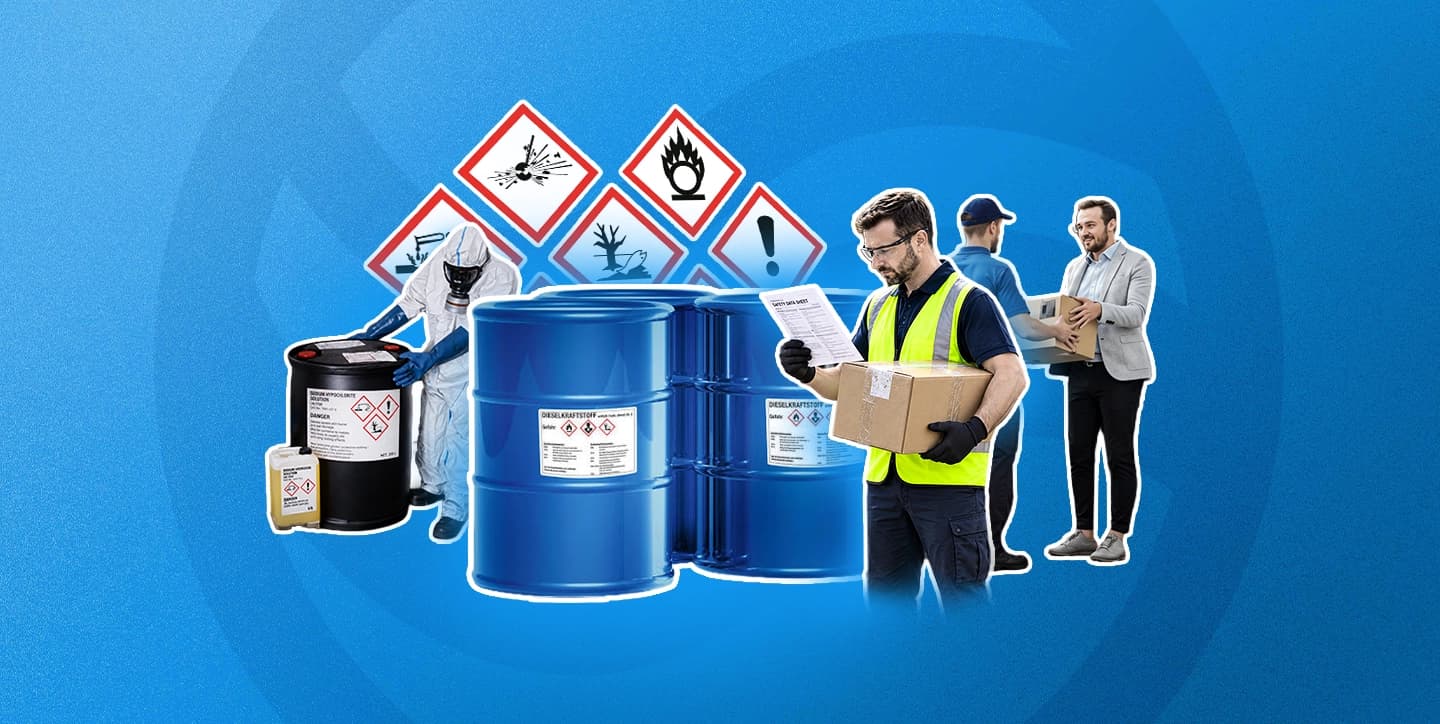
CLP hazard diamonds for explosive, flammable, oxidising, environmental and health hazards above labelled chemical drums and a bottle, with a worker in protective gear and staff checking a delivery note and a boxed shipment.
Compliance

Hazard Classification Under GB CLP: What the Label Obliges You to Do

Updated GHS chemical hazard labels beside a safety data sheet and COSHH assessment folder, highlighting Great Britain mandatory classification changes in 2026.
Compliance

New Chemical Labelling Rules in 2026: Why Your SDS and COSHH Files Need Checking

COSHH mock inspection collage: workers in hazmat suits with a labelled chemical drum, an inspector checking a tablet, and screens asking how COSHH management would stand up to an inspection.
Compliance

You Think You're COSHH Compliant. What If You're Wrong?

In this section

View all in Compliance

Trusted by 685,800+ users

In over 135 countries, from individual practitioners to global enterprises

685,800+ health and safety professionals in 135+ countries
rely on Sevron to simplify chemical safety compliance.

  • Transocean
  • JCB
  • Bridgestone
  • Thermo Fisher Scientific
  • University of Leicester
  • Circle Health Group
  • Coca-Cola
  • P&G
Companies that trust Sevron including Transocean, JCB, Bridgestone, ThermoFisher Scientific, University of Leicester, Circle Health Group, Coca-Cola, and P&G
Sevron - EHS Compliance Software

Health and safety compliance made simple. Helping UK businesses manage risk assessments, COSHH, and safety data sheets with confidence.

SAFETY365

Chemical ManagementHealth & Safety SoftwareImplementationLearning COSHH AssessmentsSDS Search

Use Cases

Small BusinessSafety OfficerManufacturerMulti-site DirectorConsultantView All Use Cases

Resources

BlogCOSHH GuideUltimate Guide (COSHH PDF)Subscription ProposalSmall Business BundleAccelerated Compliance BrochureCOSHH Software DemoDevelopment RoadmapCOSHH Mock InspectionCOSHH RA Audit

Company

Our StoryPartnersCertificationsAccelerated ComplianceContact Us
ISO 27001 Certified - Information Security Management
ISO 9001 Certified - Quality Management System
Sevron reviews on CapterraSevron reviews on Software AdviceSevron reviews on GetApp
BOOK A DEMO

© 2026 Sevron Ltd. All rights reserved.

Made with care in the United Kingdom

Privacy PolicyTermsFair UseCookies