
Construction & Engineering: Manage Hazardous Chemicals with Confidence
Free 14-day trial. No credit card required.
Challenges Faced by Construction Firms
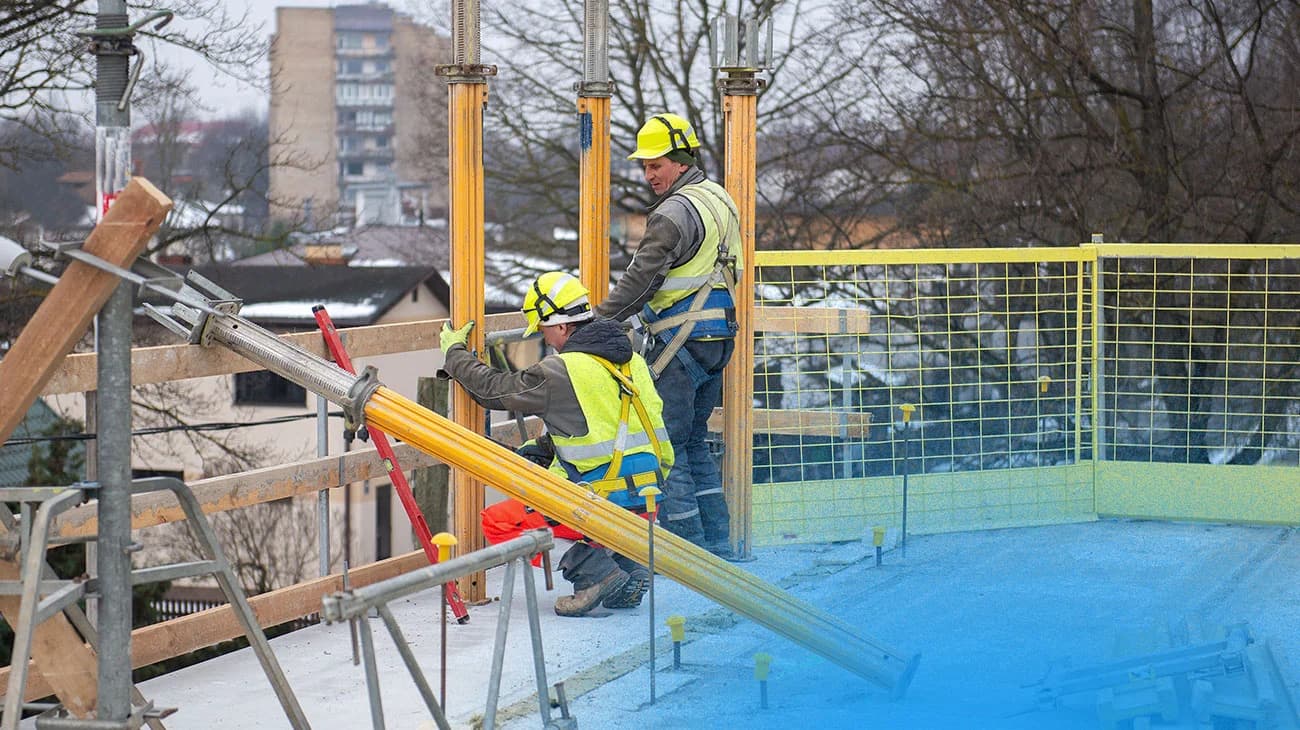
Construction and engineering projects rely on solvents, adhesives, fuels and other hazardous substances. Without the right processes, out-of-date SDS binders and fragmented records can lead to delays, fines and injuries. Safety365 brings everything together, giving site managers instant access to up-to-date chemical data, approvals and controls.
- Frequent Chemical Exposure: Our teams handle paints, concrete treatments, fuels and adhesives daily, and accurate safety data sheets are essential for identifying hazards and selecting the right personal protective equipment.
- Dynamic, Multi-Trade Sites: Multiple contractors, subcontractors and trades share the same construction sites, creating overlapping hazards that demand easy access to the right chemical safety information at the right time.
- Regulatory Pressure: Non-compliance with COSHH regulations is a criminal offence carrying unlimited fines and imprisonment. HSE inspections and RIDDOR obligations mean our SDS libraries must be current and complete.
- Mobile Workforce: Crews move between construction sites constantly. They need to access safety data sheets on phones and tablets wherever the work is happening.
How Safety365 Supports Construction Teams
Benefits of Safety365 in Construction
When chemical documentation is scattered across binders, spreadsheets and email threads, compliance gaps are inevitable. Here is what changes when construction firms move to Safety365.
Improved compliance
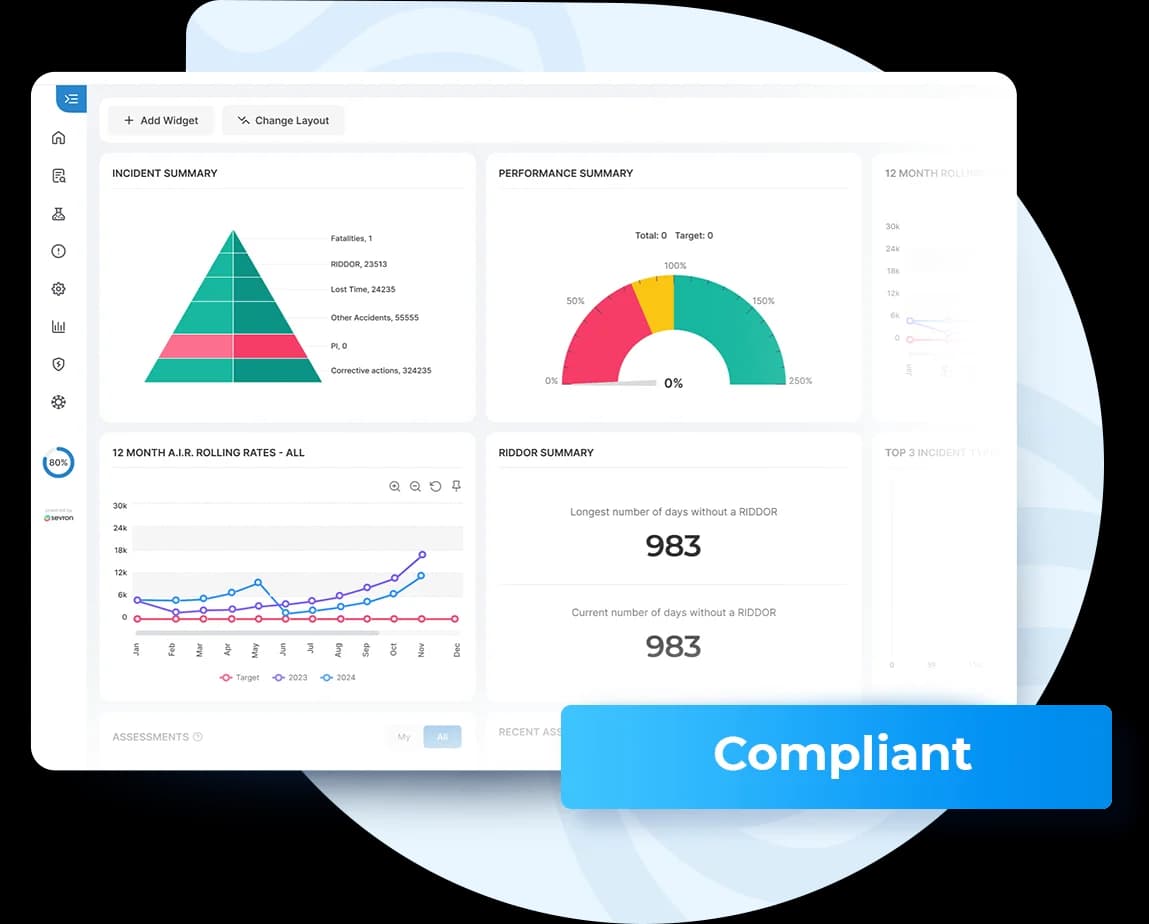
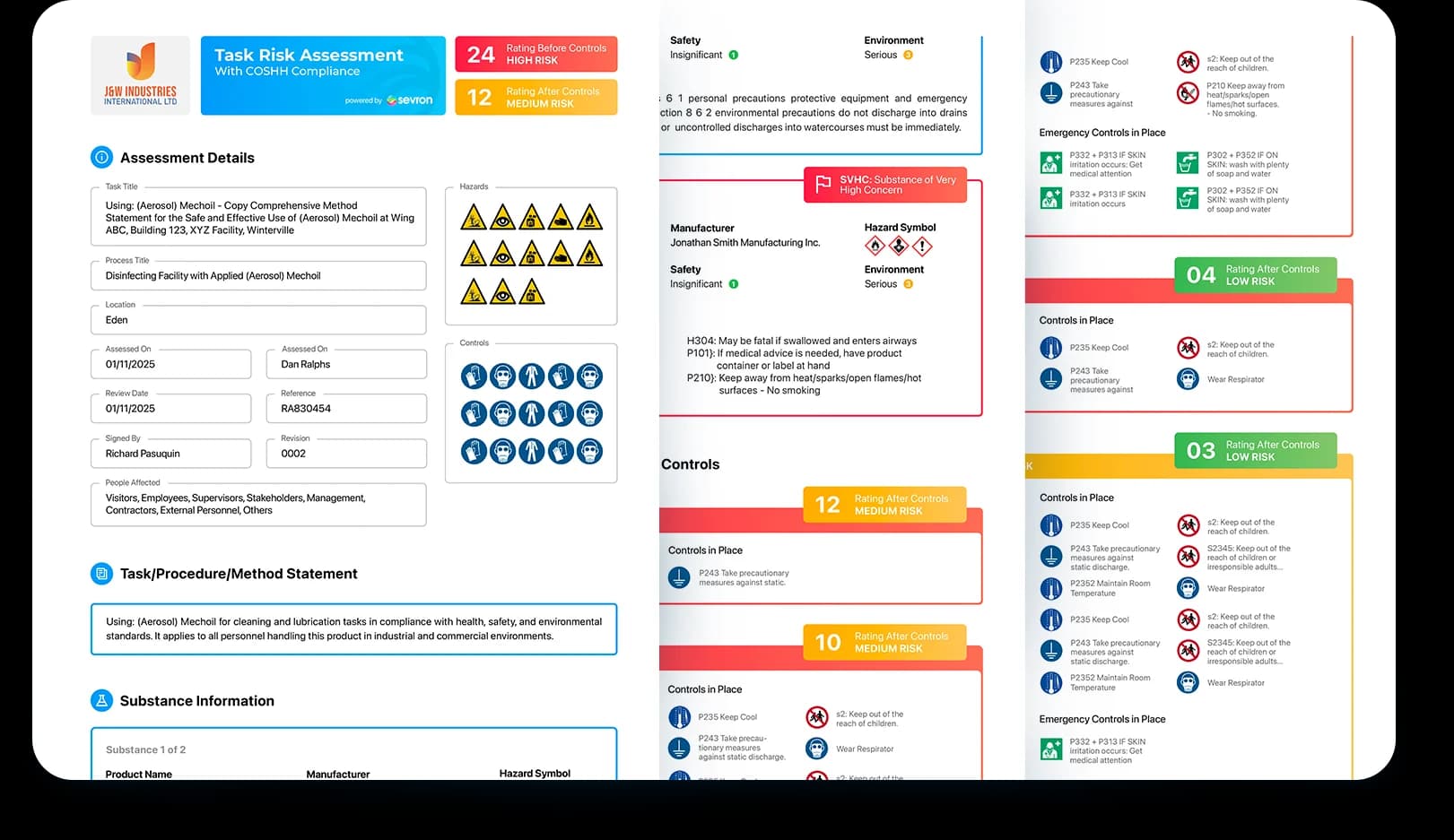
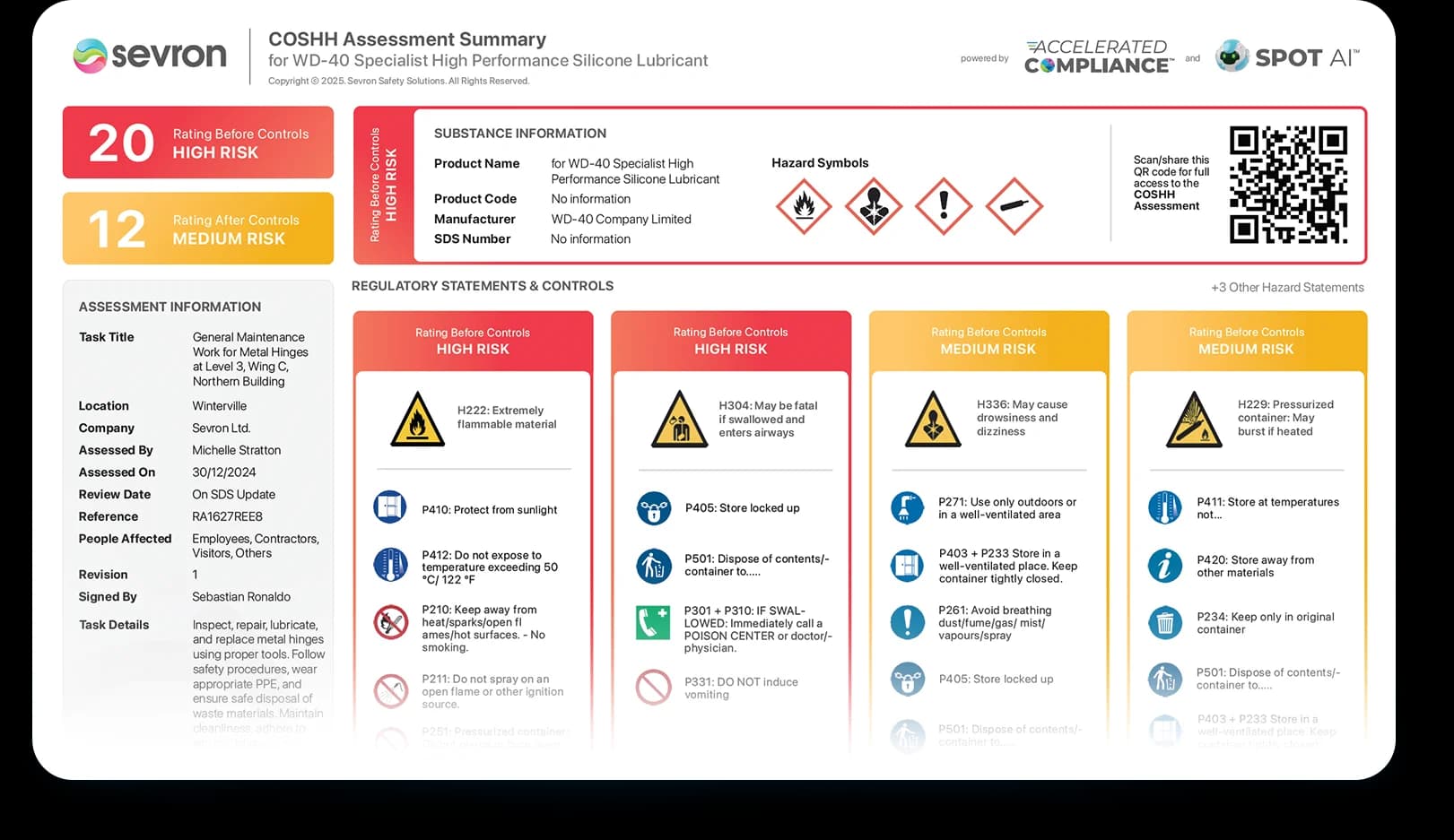
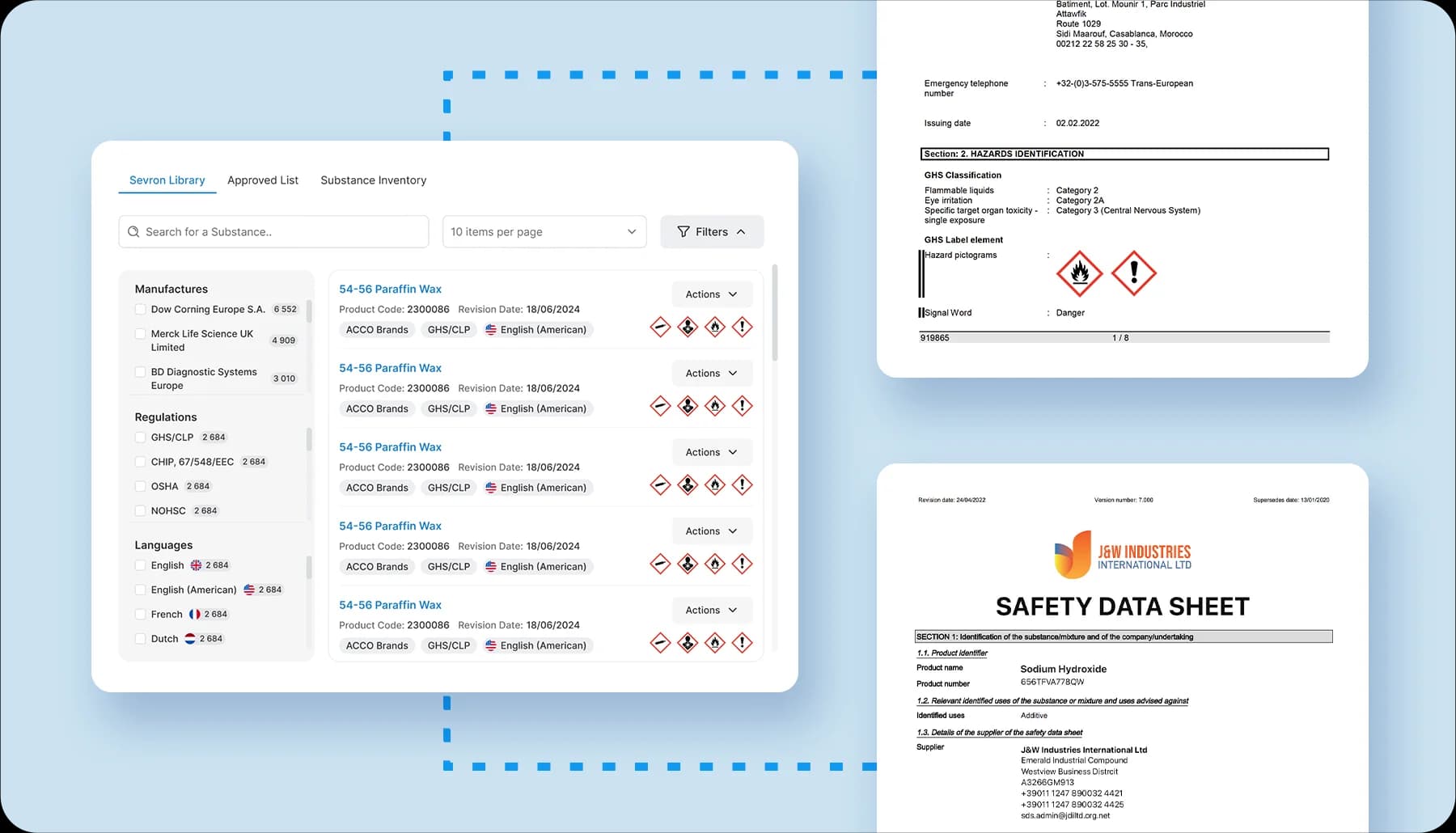
Safety365 maintains a current SDS library and links every substance to its COSHH assessment, helping construction firms meet HSE and RIDDOR requirements. Automated review date notifications ensure assessments stay current before an inspector arrives, not after.
Centralised chemical documentation
Every SDS, COSHH assessment, chemical approval and risk assessment lives in one searchable system accessible from any device. Paper binders that go out of date and email attachments that get lost are replaced by a single source of truth across all sites and subcontractors.
Mobile access for field workers
QR codes on containers give site workers instant access to the relevant SDS and risk assessments on their phone without logging in. A labourer handling flammable liquids or a fitter exposed to welding fumes can pull up the right safety information in seconds, wherever the work is happening.
Reduced risk through approvals workflows
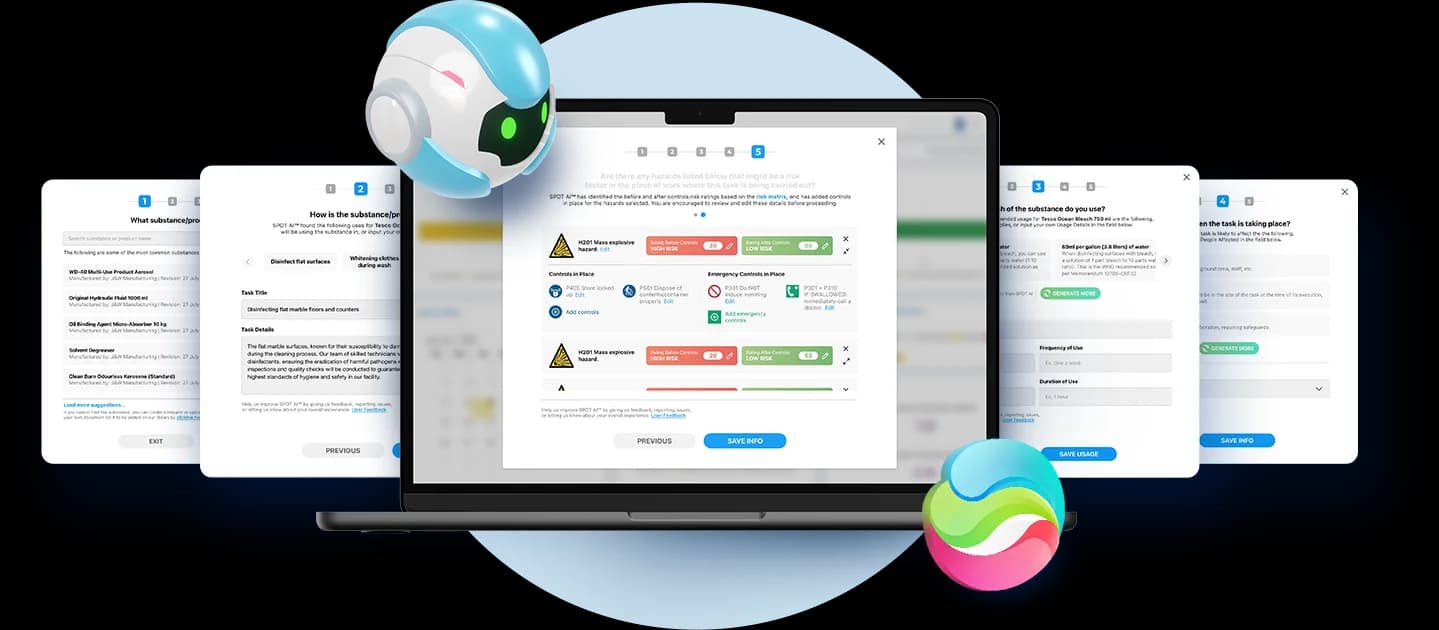
The chemical approvals workflow ensures every new substance is assessed before it arrives on site. Hazards are identified, control measures defined, and Workplace Exposure Limits confirmed in advance. Nothing comes onto site without going through that process.
Simplified audits
Exportable reports show every chemical on site, its associated assessments and control measures, who approved it, and when the SDS was last reviewed. When an HSE inspector or client auditor requests evidence, it is produced in minutes rather than days.
Cost savings
Eliminating paper SDS packs, removing duplicated effort across sites, and automating review tracking frees up time that was previously spent on administration. Less time on record-keeping means more time managing the actual health and safety risks that matter.
Frequently Asked Questions
Common questions from construction and engineering teams evaluating Safety365.
Construction sites use a wide range of hazardous substances. Paints, solvents, adhesives, sealants, concrete treatments, fuels, oils and cleaning agents are all common. Beyond purchased chemicals, work activities generate additional hazards: silica dust from cutting, welding fumes from metalwork, and wood dust from timber operations. Safety365 covers all of these within COSHH assessments.
QR code access requires an internet connection to retrieve the SDS and associated information. On sites with poor connectivity, this may not work reliably. We recommend confirming signal strength in work areas and, where needed, downloading key documents while connected so they are available on the device.
Yes. We can distribute specific safety data sheets and COSHH assessments to subcontractors directly. They receive access to the documents relevant to their work without needing a full licence or login to the platform.
Safety365 tracks SDS revision dates and alerts us when sheets are approaching their review period. When a supplier issues an updated SDS, we upload the new version and it replaces the old one across all linked assessments and records.
COSHH assessments within Safety365 cover substances including silica and asbestos. Each assessment records the identified hazards, required control measures following the hierarchy of controls, Workplace Exposure Limit monitoring, health surveillance requirements and personal protective equipment specifications. The system supports the documentation needed to manage risks from these high-hazard substances, though the term "exposure control plan" is not a named feature.
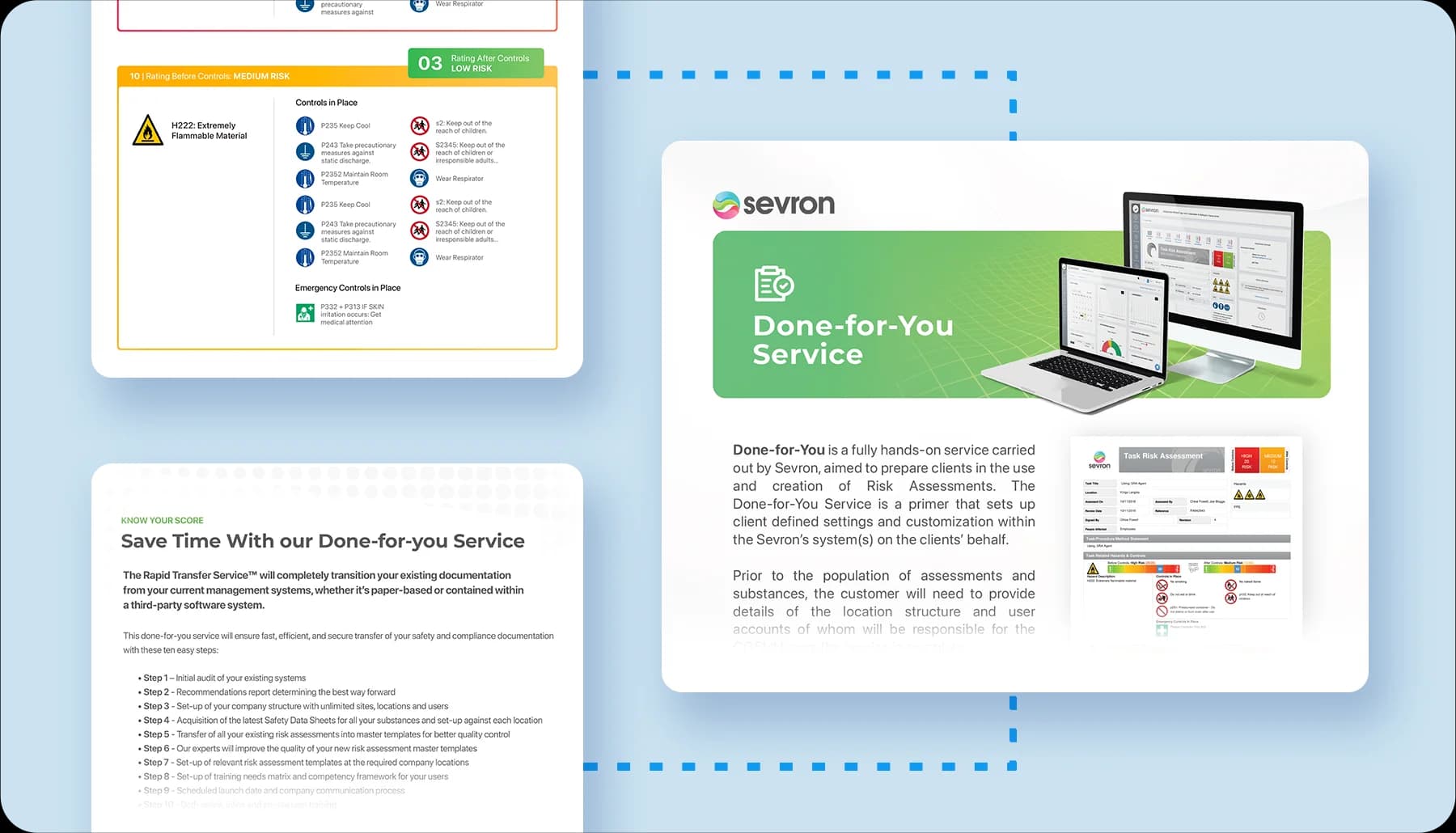
Our Done-For-You service handles the migration. We extract the chemical inventory from existing records, build the SDS library within Safety365, create the COSHH assessments, and train site managers on the system. Most transitions complete within weeks, depending on the size of the inventory and number of construction sites involved.
Use Cases

Manufacturing
Automate assessments and chemical safety across complex operations and fast-moving production environments.

Fuel & Energy
Manage regulatory compliance and mitigate occupational risk across fuel, oil, and energy operations.

Multi-Site Director
Gain real-time oversight across locations. Standardise compliance workflows, monitor performance, and generate reports in minutes.

Safety Officer
Reduce paperwork and admin time. Use automated assessments, dashboards, and documentation to stay compliant and stress-free.
685,800+ health and safety professionals in 135+ countries
rely on Sevron to simplify chemical safety compliance.
