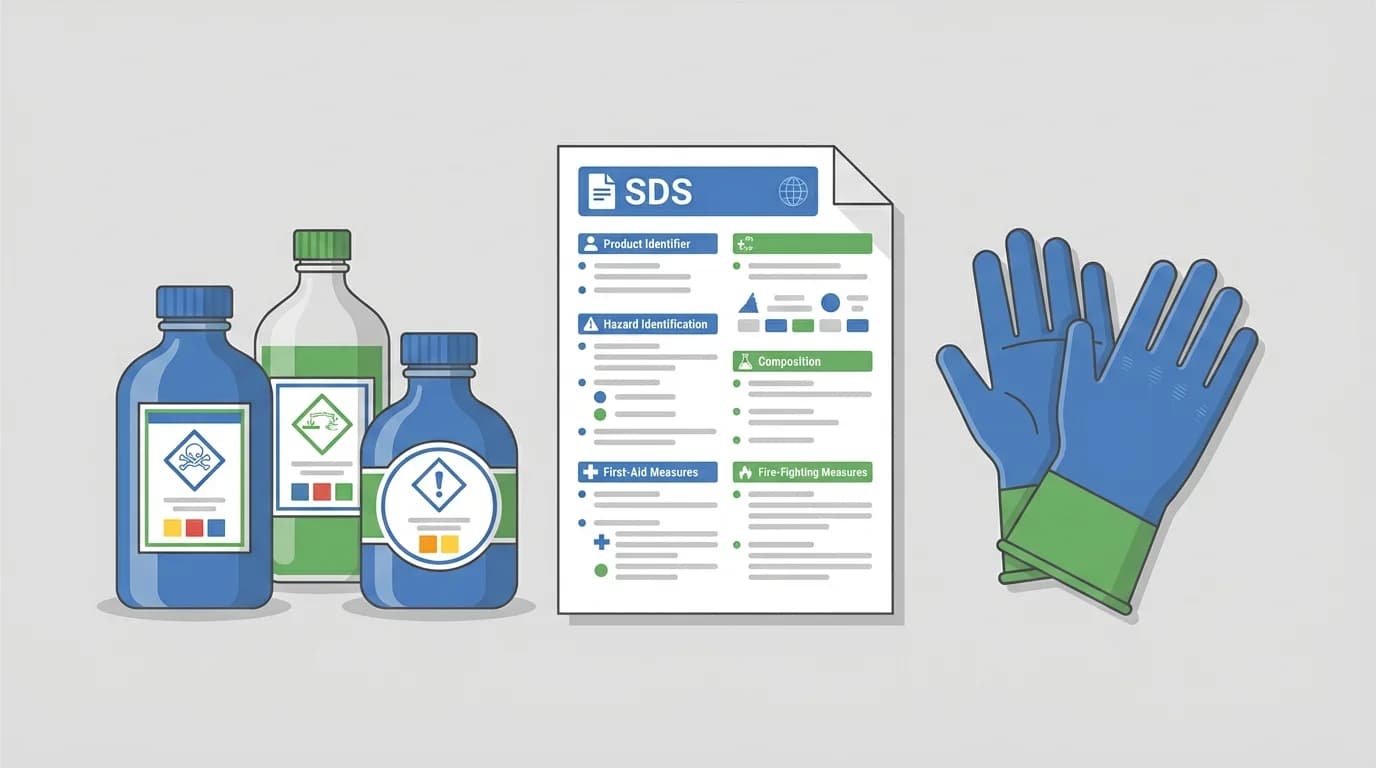
We all want to ensure our teams go home safe every day and although there are things beyond our control in between work and home, there are things we can control at work. At Sevron, we understand that navigating the complexities of workplace health and COSHH regulations can feel overwhelming, so we designed this guide to simplify the process. The aim is to help you manage hazardous substances with confidence, clarity, and total regulatory compliance through effective safety measures.
In workplaces, COSHH regulations cover a broad spectrum of hazardous substances. We aren't just looking at the obvious chemicals and cleaning products; we must also account for the chemicals fumes, dusts, vapours, mists, and gases generated during daily operations. We also need to be vigilant about biological agents and the hidden health hazard that arise from the process.
In this guide, we'll break down exactly what the regulations require of us. We will explore what substances fall under the legislation, why these assessments matter for our long-term health, and provide a step-by-step roadmap for conducting a professional-grade COSHH risk assessment.
Start Managing COSHH Compliance Today
Get a demo of our premium software, or get started with free tools.
Online COSHH Risk Assessments
When we move our safety management online, the entire procedure becomes more streamlined and less prone to human error. Sevron's COSHH Risk Assessment Software provides a guided, intuitive workflow that pulls data directly from our library of Safety Data Sheets (SDS), helping us identify products that produce hazardous substances and implement safety measures quickly.
Instead of getting lost in spreadsheets, we use a centralised platform to determine hazardous substances and implement control measures in minutes. This digital approach ensures our assessments meet COSHH regulations, stay consistent, are easy to share with the team, and always ready for an inspection by the Health and Safety Executive (HSE).
See Sevron in Action
Watch our demo to see how Sevron simplifies COSHH compliance with automated risk assessments and real-time SDS data.
BOOK A DEMOWhat is COSHH?
COSHH stands for Control of Substances Hazardous to Health. At its basics, it is the law that requires employers to control hazardous substances that pose a health hazard to employee health.
COSHH regulations are the primary framework for protecting workers from the ill health effects of hazardous substances and dangerous substances. COSHH regulations, specifically the 2002 regulations, set out the essential health and safety procedures that must be followed to prevent or adequately control exposure to potentially harmful substances in the workplace.
Understanding the Control of Substances Hazardous to Health Regulations
To maintain high safety standards, we must understand that COSHH regulations are legal requirements; not mere suggestions. By following the HSE guidelines and implementing proper safety measures, we ensure that our workplace remains a space where productivity and human health go hand in hand when handling hazardous substances.
Why Health and Safety Legislation Matters
When we respect health and safety legislation, we do more than just avoid fines. We build a culture of trust. Proper health and safety procedures demonstrate to our employees that their wellbeing is our primary priority, reducing the risks of serious injury and long-term illness.
What Substances does COSHH cover?
People often assume that if a container does not have a scary-looking label, it is not dangerous. However, this can set a dangerous precedent. If a substance has hazard symbols, we must treat it as hazardous, but we cannot assume that unlabelled items are safe. Many of the most dangerous substances we encounter are actually process-generated, such as wood dust from sawing or silica dust from stone cutting.
COSHH responsibilities cover a wide variety of substances, including:
- Chemicals: including common cleaning products and industrial reagents
- Fumes: such as those produced by welding or soldering
- Dusts: including flour, wood, or stone dust
- Vapours: often found in paints, thinners, or adhesives
- Mists: frequently generated by chrome plating or oil mists from machining
- Gases: including carbon monoxide or chlorine
- Biological Agents: such as bacteria, viruses, or fungi (mould) found in healthcare or waste management
Identifying Hazardous Substances in Your Workflow
The first step to identify hazardous substances is by looking at your inventory and your actions. Always check the Safety Data Sheet (SDS) for any chemical products you have. If uncertain that a substance is harmful, treat it as a risk until proven otherwise to protect workers from any immediate or delayed danger.
The Role of Biological Agents
In many industries, like healthcare, laboratories, or even cleaning and maintenance, we must pay attention to biological agents. These are living organisms that can cause infection, allergy, or toxicity. Since these risks are often invisible, our control measures must be exacting.
Understanding the Nine Primary Hazard Symbols
The nine primary hazard symbols provide an at-a-glance understanding of the risks posed by a substance. These symbols, ranging from Explosive to Health Hazard, are part of a global system that helps us handle hazardous substances safely. However, we must remember that these symbols only tell part of the story; the way we use the substance in our specific process is what determines the actual risk level.
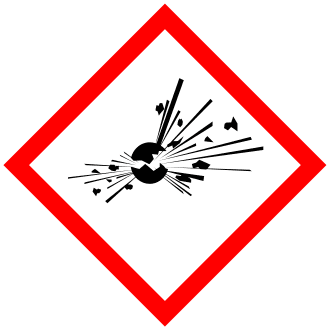
Explosive
May explode if heated or ignited
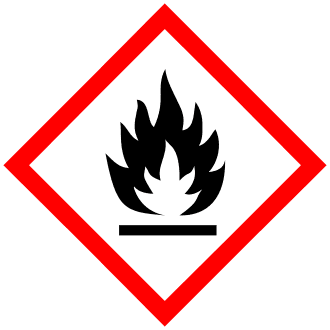
Flammable
May catch fire easily
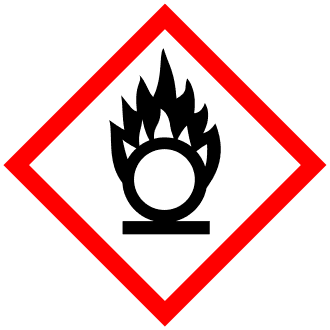
Oxidising
May intensify fire or cause explosion
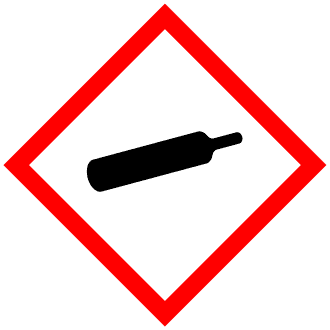
Gas Under Pressure
Contains gas under pressure; may explode if heated
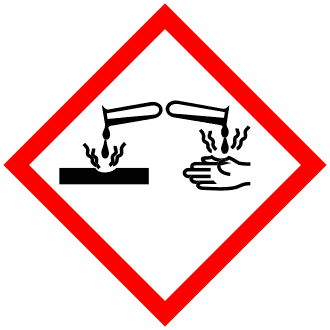
Corrosive
May cause severe skin burns and eye damage
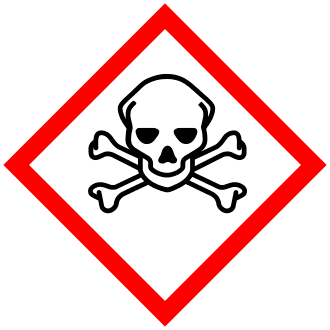
Toxic
May be fatal or cause serious harm if inhaled, swallowed, or absorbed
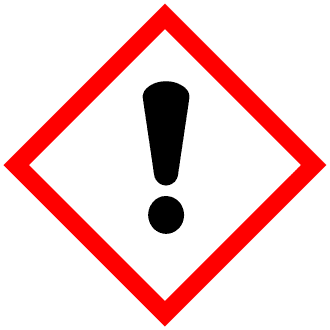
Harmful/Irritant
May cause irritation or less serious health effects
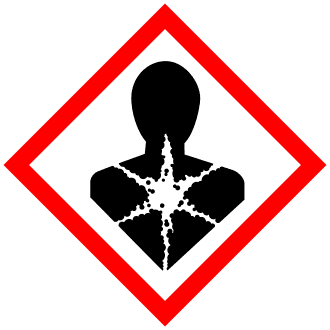
Health Hazard
May cause serious long-term health effects
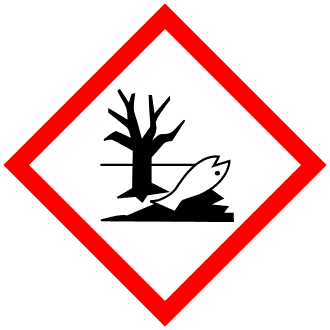
Environmental Hazard
May cause damage to the aquatic environment
These GHS (Globally Harmonized System) symbols are used worldwide to identify hazardous substances.
Why Does COSHH Matter?
We carry out assessments not because the law tells us, rather, we do it because the stakes for our health are incredibly high. When we fail to control exposure to harmful substances, the results are not always immediate. While some chemicals can cause a serious injury or a chemical burn instantly, many of the most devastating health risks are slow burners, which are diseases that develop over years of quiet exposure.
By prioritising COSHH, we are actively preventing:
- Occupational Asthma: often caused by inhaling dusts or chemicals and fumes
- Dermatitis: resulting from frequent skin contact with cleaning products or solvents
- Long-term Lung Disease: such as Silicosis or COPD from potentially harmful substances in the air
- Cancer: from prolonged exposure to carcinogens
Industries That Need Most Vigilance
In our experience, while COSHH applies to nearly every workplace, certain sectors face a higher concentration of hazardous substances. You must be particularly focused if you work in:
- Cleaning: where there is daily handling of dangerous chemicals and concentrated cleaning products
- Manufacturing: where chemical reactions, fumes, and metalworking mists are common
- Healthcare and Labs: where workers are exposed to biological agents, hazardous waste, and medicinal substances hazardous to health
- Construction and Woodworking: where dusts (like silica or wood dust) pose a constant health hazard
What is a COSHH Assessment?
When we talk about a COSHH assessment, we are describing a systematic process to protect our team. It is not just a piece of paper; it is a living document that helps identify hazardous substances, assess risks, and implement control measures that actually work.
A thorough assessment involves four key pillars:
- Identify the Hazards: look at what is in the bottle and what is created by the task.
- Evaluate Exposure: ask who is at risk, how much they are breathing in or touching, and for how long.
- Decide on Controls: determine the best way to reduce the risk using the hierarchy of controls.
- Record and Review: document findings and check back regularly to ensure safety procedures remain effective.
To do this properly, use the Safety Data Sheet (SDS) provided by the manufacturer. However, do not rely on the SDS alone. Look at process-generated hazards, the things that are not in a bottle, like the fumes created during welding or the dust from a sanding belt.
See Sevron in Action
Watch our demo to see how Sevron simplifies COSHH compliance with automated risk assessments and real-time SDS data.
BOOK A DEMOHow to Carry Out a COSHH Assessment (Step-by-Step)
We often find that breaking the process down into a logical flow makes it much more manageable. Here is the essential health and safety roadmap we follow.
1. Identify Substances and Tasks
Start by walking the floor. Identify every hazardous substance in your inventory and, more importantly, the tasks that involve them. Also identify substances that are produced as by-products, not just the ones that we buy.
2. Determine Who is Exposed and How
We need to know who is in the line of fire. Is it the cleaning and maintenance staff? Floor operators? We look at the routes of entry: inhalation (breathing it in), skin contact (absorption or damage), and ingestion (accidental swallowing).
3. Evaluate the Risk
This is where we look at the exposure limit. Consider the amount of the substance used, the frequency of the task, and the duration. Is there a risk of significant harm? Are we staying within workplace exposure limits?
4. Decide on Control Measures
Always follow the hierarchy of controls. Do not just jump to personal protective equipment (PPE).
- Eliminate: can we get rid of the substance entirely?
- Substitute: can we use a less dangerous substance?
- Engineering: can we use local exhaust ventilation (LEV)?
- Administrative: can we change the way we work to control exposure?
- PPE: as a last resort, we provide protective equipment like gloves or masks
5. Implement and Train
Appropriate control measures are useless if the team does not know how to use them. Provide COSHH training so that everyone understands the risks posed and how to handle hazardous substances safely.
6. Maintain and Examine Controls
We must ensure our control equipment (like fans or filters) stays in good working order. Regular monitoring and review of existing control measures is a legal requirement under health and safety regulations.
7. Review and Monitor
The workplace is not static. If a process is changed, an incident happens, or if health surveillance suggests a problem, we must review the assessment immediately.
COSHH Compliance Essentials
Understanding how to conduct a COSHH assessment is only part of the picture. We also need to know what COSHH does not cover, how to document our work properly, and what happens if we get it wrong.
What COSHH Doesn't Cover
While COSHH covers most hazardous substances we encounter at work, some materials have their own specific regulations. This is not because they are safer; it is because they need specialist controls.
Lead has its own legislation under the Control of Lead at Work Regulations. If we work with lead, we follow those rules instead of COSHH. The same applies to asbestos, which is governed by the Control of Asbestos Regulations. Given the link between asbestos and serious ill health like mesothelioma, these regulations are extremely strict about handling and proper disposal.
Radioactive substances also sit outside COSHH. They fall under the Ionising Radiations Regulations, which set out specific requirements for controlling exposure to radiation. If we handle any radioactive materials, we need to follow those safety laws, not COSHH.
Other substances might trigger additional requirements beyond COSHH. For example, certain biological agents used in research or explosives may come under the Dangerous Occurrences Regulations or other specialist frameworks. The key point is this: just because something is not covered by COSHH does not mean we can ignore it. We simply apply the correct set of rules to protect employees.
If we are unsure whether a substance falls under COSHH or has its own specific regulations, we should check with the Health and Safety Executive or speak to a competent safety professional.
Recording and Documentation Requirements
If we employ five or more people, we must write down our COSHH assessment. Even with a smaller team, keeping written records is smart. It proves we have thought through the risks and taken action to reduce risk.
Our written assessment needs to identify all the hazardous substances and dangerous substances we use, including anything created by our work processes. We document who might be exposed and how. We list the existing control measures we have in place and explain whether they are adequate.
We also need to include emergency procedures. What happens if someone spills a chemical? What do we do if equipment fails and releases harmful fumes? Our emergency plan should cover these scenarios, including who responds, what protective equipment they use, and how we handle proper disposal of any contaminated materials.
Beyond the assessment itself, we keep records of health surveillance, equipment checks (like ventilation systems), and any training we provide. These records show we are managing risks over time, not just ticking a box once and forgetting about it.
Our documentation should be easy to find and understand. If an inspector visits or an incident occurs, we need to show exactly what we assessed, what controls we put in place, and when we last reviewed everything. This is not bureaucracy for its own sake; it is how we demonstrate that protecting employees is a priority.
Penalties for Non-Compliance
The penalties for ignoring COSHH regulations are serious. Courts can issue unlimited fines for breaches of safety laws. The size of the fine depends on the severity of the failure and the size of the business, but even smaller fines can severely damage a company.
Individuals can also face imprisonment. If a manager or director knowingly neglects their COSHH duties and someone suffers serious ill health or injury as a result, a prison sentence is possible. This means health and safety is not just the company's problem; it is a personal responsibility for anyone in a position of control.
Beyond fines and imprisonment, there is the human cost. When we fail to control hazardous substances, people get hurt. Lung disease from inhaling dust or fumes, skin conditions from chemical exposure, or worse can destroy someone's health and livelihood. No fine or sentence can undo that damage.
The Health and Safety Executive enforces COSHH regulations through workplace inspections. Inspectors can issue improvement notices that require us to fix specific problems, or prohibition notices that shut down dangerous work immediately. Ignoring these notices makes the legal situation much worse.
There is also the risk of civil claims. If an employee becomes ill because we failed to protect them, they can sue for compensation. This can mean costly legal fees and payouts on top of any criminal penalties.
The bottom line is simple: we need to follow COSHH regulations, keep proper records, and maintain effective control measures. These reduce risk, protects our team, and keeps us on the right side of the law.
Topics:
