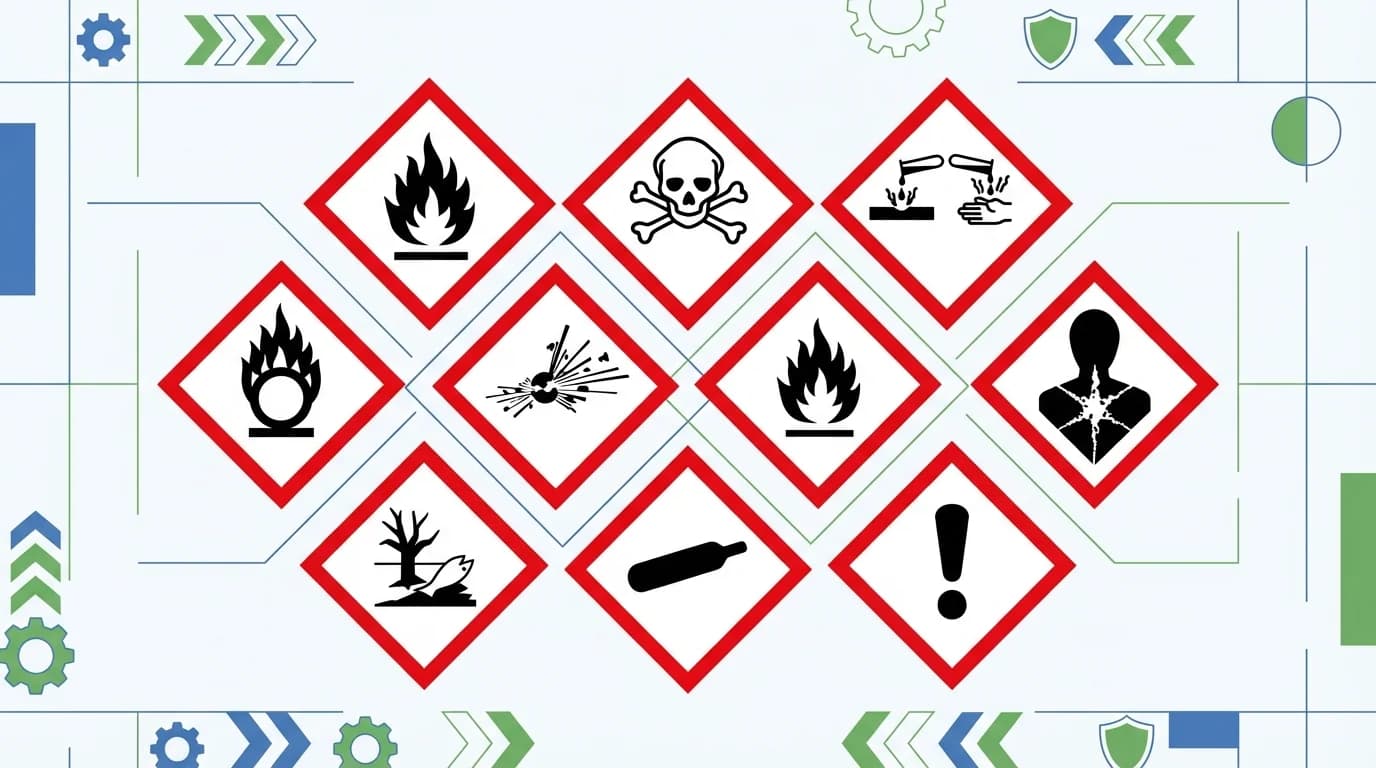
When you handle hazardous substances at work, those small, red-bordered diamonds on product labels could save your life. From industrial drain cleaners to everyday bleach, understanding COSHH symbols and meanings is practical necessity. These hazard pictograms alert workers to substances hazardous to health and the environment. To stay COSHH compliant, you need to understand how these warnings fit into your workplace risk management.
See Sevron in Action
Watch our demo to see how Sevron simplifies COSHH compliance with automated risk assessments and real-time SDS data.
BOOK A DEMOWhat Are COSHH Hazard Symbols?
Many people think COSHH regulations created these warning icons. That's not quite right. COSHH stands for Control of Substances Hazardous to Health, the UK legal framework requiring employers to manage hazardous substances and protect workers from ill health. The symbols come from the globally harmonized system (GHS), implemented across the UK and EU through CLP regulations. This classification system ensures a flammable liquid displays the same warning symbol worldwide.
Under COSHH regulations, employers must identify these symbols and communicate risks to their teams. The symbols act as visual shortcuts to Safety Data Sheets.
Why COSHH Hazard Symbols Are Important in the Workplace
COSHH hazard symbols are pictograms displayed on the packaging of substances that can be harmful to health or the environment. Training staff to recognise COSHH hazard symbols demonstrates your commitment to employee safety and will help prevent accidents and the potential for harm.
-
Instant Hazard Recognition - workers handling flammable chemicals or corrosive chemicals need immediate visual warnings
-
Supporting COSHH Risk Assessments - you cannot conduct an effective assessment without first identifying the hazards
-
Legal Labelling and Training Requirements - correct labelling of hazardous materials is legally required
-
Preventing Misuse and Accidental Exposure - clear symbols prevent dangerous reactions from mixing incompatible chemicals and stop workers from unknowingly handling hazardous substances
The COSHH Hazard Symbols (GHS Pictograms)
The current COSHH symbols are black pictograms on a white background with a red diamond border. There are nine official COSHH symbols that represent different types of hazards. Remember, these symbols indicate the type of hazard, not necessarily the severity of risk in your specific workplace.
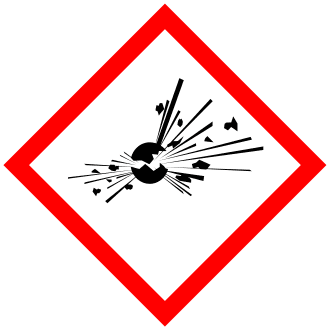
Explosive
May explode if heated or ignited
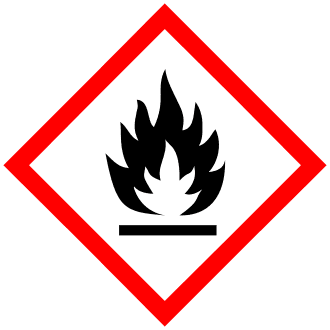
Flammable
May catch fire easily
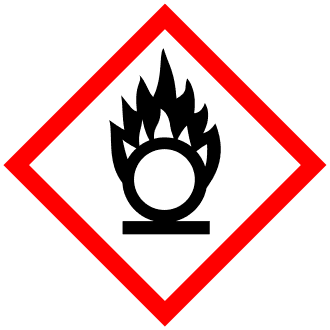
Oxidising
May intensify fire or cause explosion
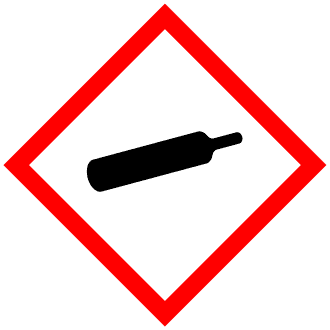
Gas Under Pressure
Contains gas under pressure; may explode if heated
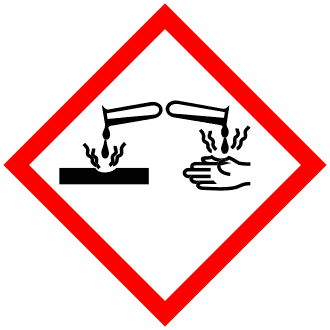
Corrosive
May cause severe skin burns and eye damage
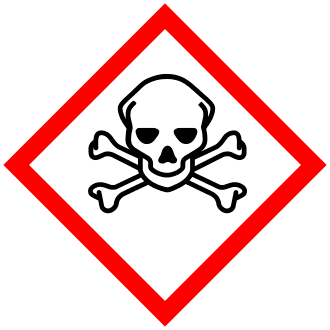
Toxic
May be fatal or cause serious harm if inhaled, swallowed, or absorbed
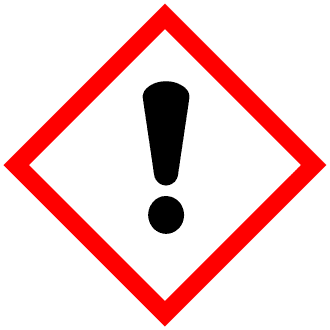
Harmful/Irritant
May cause irritation or less serious health effects
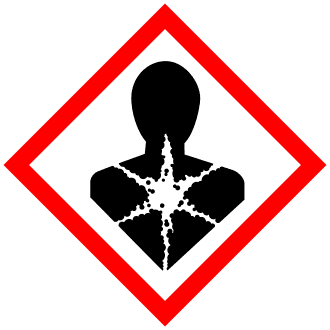
Health Hazard
May cause serious long-term health effects
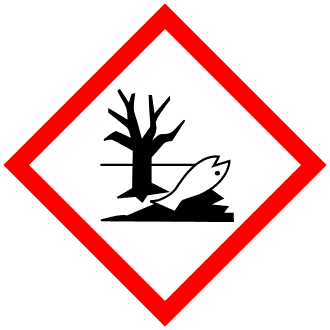
Environmental Hazard
May cause damage to the aquatic environment
These GHS (Globally Harmonized System) symbols are used worldwide to identify hazardous substances.
Explosive (Exploding Bomb)
The bomb exploding symbol is one of the most critical warnings. The explosive symbol represents chemicals or preparations that may explode under certain conditions.
-
What it indicates: Unstable substances that carry a mass explosion hazard or severe projection hazard.
-
Typical workplace examples: Organic peroxides, certain laboratory chemicals, and unstable compounds used in manufacturing.
-
Key controls: Keep away from heat sources, impact, and friction.
Flammable (Flame)
Common across many hazardous chemicals, the flammable symbol indicates substances that catch fire easily, including those with low flash point.
-
What it indicates: The substance is a flammable liquid, solid, or gas. Some substances evolve highly flammable gases when they contact skin or water.
-
Key controls: Store in flame-proof cabinets away from ignition sources.
Oxidising (Flame Over Circle)
The oxidising symbol is used for chemicals that cause an exothermic reaction with other substances.
-
What it indicates: The Flame over Circle symbol denotes a substance that is an oxidiser, which can intensify fire by reacting with other chemicals.
-
Common industrial examples: Hydrogen peroxide, chlorine, and nitric acid used in manufacturing and cleaning processes.
-
Key controls: Store separately from flammable chemicals.
Gas Under Pressure (Gas Cylinder)
The gas cylinder symbol appears frequently in laboratories, workshops, and kitchens.
-
What it indicates: The gas under pressure symbol indicates a gas stored under pressure that may explode if heated. Liquefied gases can cause cryogenic burns if they leak.
-
Key controls: Secure gas containers upright and protect from temperature extremes.
Corrosive (Corrosion)
The corrosive symbol warns against substances that cause serious damage to living tissue or materials.
-
What it indicates: Causes severe skin burns and serious eye irritation. Examples include strong acids and drain cleaners.
-
Material damage relevance: These substances also corrode metals, concrete, and other materials, which can compromise equipment integrity and create additional hazards.
-
Key controls: Use appropriate PPE and ensure eyewash stations are accessible.
Toxic (Skull and Crossbones)
The symbol skull and crossbones signifies substances of acute toxicity that can be fatal in small amounts.
-
What it indicates: Fatal or highly dangerous with immediate or delayed danger following inhalation, ingestion, or contact with skin.
-
Key controls: Strict access control and mandatory PPE.
Serious Health Hazard (Silhouette with Star)
The serious health hazard symbol represents substances causing long-term health issues, including cancer.
-
What it indicates: Long term health hazards including causing cancer, causing genetic defects, or damage fertility. Can harm internal organs or the central nervous system.
-
Carcinogens and respiratory sensitisers: This includes cancer-causing substances and chemicals that can cause airway and lung problems through respiratory exposure.
-
Key controls: Minimize exposure and use enclosed systems where possible.
Health Hazard / Irritant (Exclamation Mark)
The Exclamation Mark symbol denotes a general health hazard or irritant, indicating less severe effects like skin irritation or allergic reactions.
-
What it indicates: Causes skin irritation, allergic skin reaction, breathing difficulties, or allergy or asthma symptoms. May indicate respiratory irritation or substances hazardous to the ozone layer.
-
Misuse and complacency risks: Because effects seem less serious, workers often handle these substances carelessly. Repeated exposure can lead to chronic conditions or sensitization.
-
Key controls: Adequate ventilation and appropriate PPE.
Environmental Hazard (Dead Tree and Fish)
The dead tree and fish symbol warns that a substance is hazardous to the environment with long lasting effects, particularly to aquatic life.
-
What it indicates: Toxic to aquatic life with long lasting effects.
-
Key controls: Never pour down drains and maintain spill kits for dangerous substances.
Start Managing COSHH Compliance Today
Get a demo of our premium software, or get started with free tools.
COSHH Hazard Symbols vs COSHH Risk Assessment
Every person who works with hazardous substances should be able to recognise and understand the meaning of the various COSHH hazard symbols. However, symbols and their meanings alone don't constitute a COSHH risk assessment.
Employers must perform an assessment of their workplace to identify hazards and potential hazards under COSHH regulations. While symbols identify hazard types, COSHH assessments evaluate how substances are used in your environment. COSHH assessments are a legal requirement for workplaces that handle hazardous substances, including biological agents. Employers must perform a risk assessment to identify hazards and implement control measures.
Where COSHH Hazard Symbols Must Be Displayed
Employers must legally display COSHH symbols correctly and provide staff training for safe handling and storage. This applies to:
-
Chemical containers and packaging: Every original container of hazardous materials must display the correct pictogram.
-
Decanted substances: When transferring liquids to smaller containers, you must label them with appropriate hazard symbols. This is a common compliance failure.
-
Safety Data Sheets: These documents provide detailed background information supporting the symbols.
-
Storage areas: Post signage where dangerous substances are kept.
Employee Training and COSHH Hazard Symbols
COSHH training is important for ensuring that employees are aware of the risks associated with hazardous substances. Every person who works with hazardous substances should be able to recognise and understand the meaning of the various COSHH hazard symbols.
However, recognizing symbols doesn't equal competence. Training must link hazard symbols to real-world controls and proper PPE use. Workers need to understand not just what the symbol means, but how to handle the substance safely in their workplace.
Common Mistakes with COSHH Hazard Symbols
Under COSHH regulations, employers have a legal responsibility to control exposure. Yet common errors persist:
-
Thinking symbols replace risk assessments: Relying on the bottle label instead of performing a full COSHH hazard evaluation.
-
Ignoring symbols on everyday products: Assuming that brand name cleaning products do not pose a health hazard.
-
Decanting without labels: Creating serious long term threats and internal damage by leaving unlabelled chemicals in secondary containers.
-
Assuming harmful means safe: Treating the exclamation mark with less care than the skull and crossbones.
Ready to Simplify Your COSHH Assessments?
Create professional COSHH risk assessments in minutes with our free online tool. No credit card required.
CREATE FREE ASSESSMENTTopics:
