
When it comes to workplace safety, understanding the hazards associated with sodium hypochlorite is essential. This powerful chlorine-based compound is used across numerous industries, but without proper handling protocols and comprehensive risk assessments, it can pose serious health risks to your employees. A thorough COSHH risk assessment ensures your workplace remains safe and compliant with UK regulations.
Key Takeaways
- Sodium hypochlorite is a chlorine-based oxidising agent used in industrial cleaning, disinfection, and bleaching
- Exposure risks include skin irritation, respiratory complications, and toxic gas generation when mixed with ammonia or acids
- COSHH risk assessments are essential before any sodium hypochlorite operations
- Choosing the right assessment provider requires careful research and due diligence
What is Sodium Hypochlorite?
Sodium hypochlorite is a chlorine-based oxidising agent utilized across industrial cleaning, disinfection, and bleaching applications. Common uses include swimming pool treatments, water purification systems, and laundry detergents. While effective against microorganisms like algae, bacteria, and viruses, it poses hazards without proper handling protocols.
Risks of Sodium Hypochlorite
Extended skin exposure or concentrated solutions without protective equipment cause irritation. High-concentration inhalation triggers respiratory complications including coughing, sneezing, and nasal discharge.
Critical Safety Warning
Combining sodium hypochlorite with ammonia or acids generates toxic chlorine gas, potentially causing respiratory distress and fatalities. Never mix sodium hypochlorite with other cleaning chemicals.
COSHH Risk Assessment
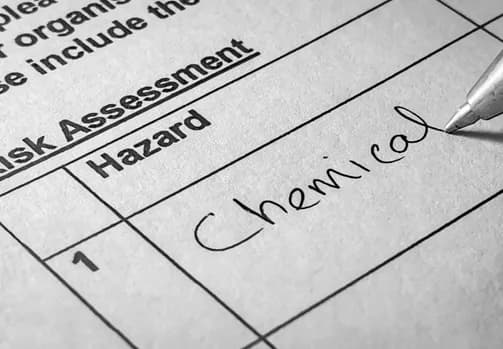
Comprehensive risk assessments must precede any sodium hypochlorite operations. COSHH evaluations identify chemical hazards and recommend control strategies, including appropriate protective equipment and adequate ventilation. Emergency procedures for accidental contact or fume inhalation should be documented for rapid response protocols.
Common Mistakes When Hiring Assessment Providers
When selecting a COSHH risk assessment provider, businesses often make critical errors that can compromise workplace safety. Here are five frequent mistakes to avoid:
- Selecting inexperienced providers results in poor service quality and higher long-term costs
- Failing to research provider qualifications, references, and track records
- Disregarding regulatory compliance requirements established by governing authorities
- Overlooking formal certifications and accreditations necessary for quality assurance
- Prioritizing initial cost savings over long-term cost-effectiveness
Pro Tip
Always verify that your chosen assessment provider has the appropriate accreditation from UK governing bodies and can demonstrate a proven track record in chemical safety assessments.
Unlock the Benefits of Expert Risk Assessments
Investing in professional sodium hypochlorite COSHH risk assessments maintains business safety and regulatory compliance while preventing costly future mistakes. Sevron Ltd offers extensive experience and UK governing body accreditation at competitive pricing.
Our expert team can help you:
- Identify all hazards associated with sodium hypochlorite use in your specific workplace
- Implement effective control measures tailored to your operations
- Ensure full compliance with UK health and safety regulations
- Train your staff on proper handling and emergency procedures
- Document your risk management processes for regulatory inspections
Frequently Asked Questions
What is a COSHH risk assessment?
A COSHH risk assessment is an evaluation identifying potential harm from hazardous substances like sodium hypochlorite in workplaces, enabling hazard recognition and implementation of control measures to protect employees.
What is sodium hypochlorite?
Sodium hypochlorite is an effective sanitizing agent containing chlorine used for water cleansing and disinfection. It is commonly found in bleach products, swimming pool chemicals, and industrial cleaning solutions.
What are the potential hazards associated with using sodium hypochlorite?
Improper use causes skin and eye irritation, coughing, shortness of breath, toxic effects from ingestion or high-concentration inhalation, and corrosion to metals and certain fabrics. The most serious hazard is the generation of toxic chlorine gas when mixed with acids or ammonia.
How can I carry out a safe COSHH risk assessment for sodium hypochlorite?
Determine usage quantities, identify associated hazards, evaluate necessary control measures, and establish observation and periodic evaluation protocols. Consider engaging a qualified professional to ensure your assessment meets all regulatory requirements.
What are the disposal requirements for sodium hypochlorite?
Dilute unused or contaminated solutions extensively in water before disposal in compliance with local waste disposal regulations. Never dispose of concentrated sodium hypochlorite down drains without proper dilution and authorisation.
Need help with your sodium hypochlorite COSHH risk assessments? Contact our team to learn how Sevron can help you protect your employees and maintain compliance with UK health and safety regulations.
Tags:

Safety & Compliance Experts
The Sevron team brings decades of combined experience in health and safety compliance, risk assessment, and workplace safety solutions.

Reviewed by
Dale Allen
CEO & Founder