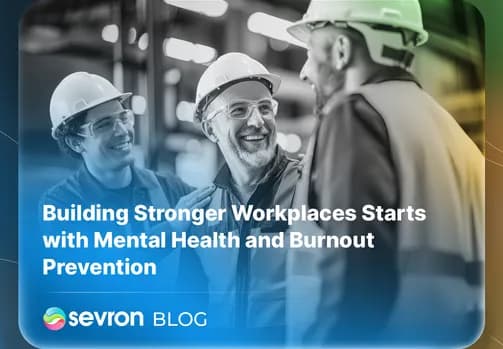

Mental health is no longer an invisible illness that we can simply ignore. According to Mental Health UK's second annual Burnout Report, 9 in 10 adults have faced high or extreme levels of stress in the past year. Worse, only 56% of younger workers aged 18 to 24 feel comfortable raising mental distress with a manager or senior leader.
These figures tell us two things. First, burnout and workplace stress are widespread. Second, the stigma surrounding mental health at work still prevents people from speaking up. If left unaddressed, this combination poses real risks to staff wellbeing, productivity, and organisational resilience. Employers who want to build stronger workplaces must act now.
This isn't a fluff piece that always starts with how mental health remains unknown. The truth is, mental health is known - but it is being blatantly ignored, especially in businesses.
Mental Health Is Safety
Before we move forward, it's important to clarify our stance on mental health here at Sevron. When we talk about workplace safety, most people think of physical risks, such as slips, trips, falls, or hazardous substances. But safety is not only about physical protection. Mental health risks, such as prolonged stress, anxiety, and burnout, can be just as damaging.
Unchecked, these risks affect concentration, decision-making, and reaction times, leading to higher accident rates and lower productivity. Stress and fatigue can cause employees to cut corners, miss safety checks, or overlook hazards. In this sense, mental health is not separate from safety - it is a core part of it.
By treating mental health as a workplace safety concern, organisations send a clear message: employee wellbeing is inseparable from employee safety. This shift in perspective helps break down stigma and ensures that burnout prevention is recognised as a business-critical responsibility.
The Growing Cost of Workplace Burnout
Burnout is not simply "being tired." It is a state of prolonged physical and emotional exhaustion that can lead to disengagement, illness, and staff turnover. The World Health Organization (WHO) classifies burnout as an occupational phenomenon, rather than a medical condition but emphasizes the importance of developing (and maintaining) guidelines on mental wellbeing in the workplace.
The numbers speak for themselves. A 2025 study has found that job burnout is at 66%, an all-time high. And burnout has a cumulative effect on every aspect of your workplace. Let's look at other numbers:
The Impact of Burnout
- Rising Pressures at Work: 35% of UK adults say pressure from their job is the main cause of burnout, making the workplace the single largest driver of stress.
- Lost Productivity: Stress, anxiety, and depression are leading causes of workplace absence, accounting for millions of lost working days each year (Astutis, 2025).
- High Turnover Costs: Employees experiencing burnout are significantly more likely to disengage or leave their roles, increasing recruitment and training costs.
- A Safety Issue: Stress and fatigue reduce concentration and decision-making, raising the risk of workplace accidents and unsafe practices.
Why Mental Health Belongs at the Heart of Workplace Strategy
More organisations are waking up to a fact that mental health in the workplace is safety, not a bonus feature. It is essential that companies take proactive measures now to keep their employees safe - even if that means from themselves.
- Mental health risk = workplace risk: When staff are overwhelmed, stressed, or anxious, mistakes rise, safety lapses occur, and incidents increase.
- Legal & ethical obligation: Under the Health and Safety at Work Act 1974 and the Management of Health and Safety at Work Regulations 1999, employers have a legal duty to protect employees from harm, and that duty extends to mental health. Ignoring workplace stress risks not only staff wellbeing but also potential breaches of health and safety law.
- High hidden costs: Absence, turnover, low morale, reduced productivity from poor mental health cost more financially than many realise.
- Talent danger zone: Younger workers, who tend to be more open about mental health, are also the least supported. When mental health is neglected, you risk losing key talent.
- Safety culture depends on trust: Unless staff feel able to speak up about mental health without fear, other safety issues will also go unreported. Openness and psychological safety are at the heart of a strong safety culture.
How Sevron Helps Embed Mental Health into Safety
Sevron isn't just another tool on the shelf. It represents a shift in how organisations approach health and safety, moving away from fragmented spreadsheets and reactive compliance, toward integrated, proactive management of risk. Founded by Dale Allen, Sevron is committed to supporting businesses around the world develop efficient ways to practice safety in the workplace.
How Sevron's Platform Promotes Mental Wellbeing
- Evidence-based reporting: With structured, auditable assessments, organisations can demonstrate compliance with health and safety regulations while also showing staff that their wellbeing is taken seriously.
- Consistency across teams: By standardising risk assessments and action tracking, Sevron ensures that mental health considerations aren't left to chance or uneven management practices.
- Proactive prevention: Instead of waiting for problems to escalate into absence, turnover, or incidents, Sevron enables organisations to spot trends and address root causes.
- Building trust: Transparent systems give employees confidence that when they raise concerns - whether about burnout, stress, or workload pressures - those issues will be logged, tracked, and acted upon.
Sevron has also partnered with The Knights of Safety Academy to offer several practical courses on mental health and wellbeing, including Psychological First Aid and Mental Health Awareness.
Sevron is a leading provider of safety and compliance software, dedicated to helping organisations protect their people and meet regulatory requirements with ease. Through innovative digital solutions for risk assessment, COSHH management, and safety data sheet control, Sevron streamlines complex processes into simple, actionable steps.
When you're ready, schedule a call with us today.
Frequently Asked Questions
What is the employer's role in preventing burnout at work?
Employers have a responsibility to identify stress risks in the workplace, monitor employee wellbeing, and create policies that reduce pressure on staff. This includes managing workloads, offering flexible work options, and ensuring managers are trained to spot early signs of burnout. Treating burnout prevention as part of workplace health and safety is key.
How can employers improve mental health in the workplace without large budgets?
Improving mental health at work doesn't always require major spending. Employers can start by opening honest conversations about stress, encouraging regular breaks, offering flexible schedules, and conducting regular stress risk assessments. Small actions, combined with consistent support, can make a big difference in workplace wellbeing.
What tools help employers support mental health in the workplace?
Digital workplace tools such as wellbeing monitoring systems, risk assessment software, and employee feedback platforms allow employers to track mental health indicators and act before burnout escalates. Solutions like Sevron help employers collect data, identify risks, and implement effective strategies to strengthen workplace mental health.
Looking for a more efficient way to manage workplace mental health risks? Discover how Sevron can help you integrate mental wellbeing into your health and safety management.

Safety & Compliance Experts
The Sevron team brings decades of combined experience in health and safety compliance, risk assessment, and workplace safety solutions.

Reviewed by
Dale Allen
CEO & Founder