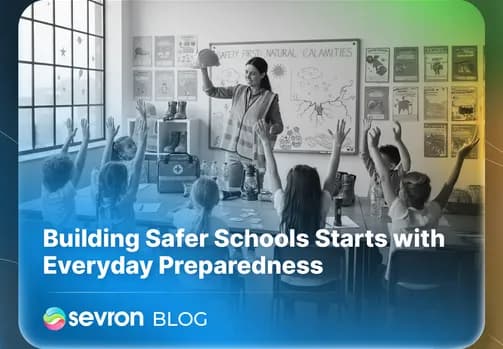

At Sevron, we believe safety is not just about reacting to crises; it is about consistent, thoughtful preparation. This shifts the reactive process to one that is more proactive - and one that you can begin today to safeguard your children. When policies and proper communication work together, schools create calm, confident environments where everyone knows how to act and how to care for one another. After all, real safety happens when awareness becomes habit and accountability becomes culture.
Case Study: A Reminder of Why Preparedness Matters
A recent BBC report has found that children as young as four are bringing knives to school, with some of them stating that they do so because they "felt like [they] need to protect [themselves]", which naturally raises the question, "from what?"
Despite media reporting incidents like these remaining rare, they remind us how vital it is to maintain structured safety systems across all educational settings.
It is worth noting that we pen this article not to create anxiety, but to ensure that schools are equipped to identify risks early and support every individual involved with care and professionalism. Our goal is to help schools become safer spaces, not only for children but for everyone who is there.
What School Leaders and Safety Officers Should Have in Place
Safety in schools is not just a matter of policy, it is a matter of culture. When children see adults respond to risk calmly and consistently, they learn that safety is not something to fear; it is something we build together.
School leaders can start building a secure environment by maintaining:
1. Policies that protect and guide
Every school should maintain a comprehensive safety policy that is clearly communicated to staff, parents, and students. This includes not only emergency procedures, but also day-to-day operational safety, from the handling of cleaning chemicals and laboratory materials under COSHH regulations to visitor management and playground supervision.
2. Regular and relevant training
Safety knowledge training must be conducted regularly so that students and teachers remember their lessons - even when worse comes to worst. It is also strongly recommended that you conduct training whenever the needs of your school evolve, such as learning first aid or emotional and situational awareness. Likewise, staff should know how to calmly de-escalate tense situations, identify behavioural warning signs, and create an environment where students feel safe enough to speak up.
3. Transparent reporting and open communication
Teachers and students should know how to report concerns without fear of blame. This culture of transparency helps build trust. Having structured reporting channels helps schools identify patterns early, whether it is a near miss in the lab or a student showing signs of distress.
Legal Insight: Strengthening School Safety through UK Knife Laws
In September 2024, the UK government introduced tighter restrictions on bladed weapons, banning so-called "zombie-style" knives, machetes, and ninja swords under new amendments to the Offensive Weapons Act. These measures form part of the UK's broader effort to prevent knife-related harm and improve community safety, especially in environments where young people gather, such as schools and colleges.
Important for Education Leaders
This legislation underscores the importance of proactive safety governance. It reminds institutions to regularly review their safeguarding policies and ensure that reporting procedures align with national guidance.
How Parents Can Prepare Children for Possible Dangers in School
No parent wants to talk about possible dangers in schools. However, this hesitation can make children unaware of how to respond if a real situation occurs. When parents approach safety conversations with calm honesty, they equip their children with the confidence to act wisely and seek help when it matters most.
1. Start open conversations early
Children are more likely to speak up about concerns when communication feels safe. Ask gentle, open-ended questions like "How are things going at school?" or "Has anything been making you uncomfortable lately?" Listen fully before responding. Framing these talks as empowerment, not warning, helps children process information without anxiety.
2. Teach calm responses, not panic
In uncertain moments, children often look to adults for cues. Practising calm responses, such as moving to a safe area, staying with a teacher, or calling for help, can make all the difference. When parents model composure, children learn that preparedness is not about fear; it is about knowing what to do next.
3. Partner closely with the school
Understanding school safety procedures, like entry protocols or emergency drills, allows parents to reinforce those same messages at home. When children hear consistent guidance from both teachers and parents, safety becomes a shared language rather than a set of isolated rules.
4. Foster emotional safety and trust
Children need to know they can always tell a parent if something feels wrong, even if it is initially just a feeling or noticing something "strange". Building this trust takes time and patience, but it is the foundation of early intervention. A child who knows they will be believed and supported is far more likely to speak up before a situation escalates.
Strengthening School Communities Through Safety Awareness
When schools understand that safety is everyone's responsibility, they become places of confidence rather than fear.
This collective awareness begins with consistent communication and training. Teachers can integrate safety reminders into classroom routines, while parents can reinforce these lessons at home. Awareness empowers students to act responsibly, whether that means reporting unsafe behaviour or respecting the boundaries set for everyone's protection.
When schools embed safety into their culture, they model responsibility for the next generation. Children learn that caution does not mean fear, it means care. But most importantly, they learn that caution means safety. They see adults calmly enforcing safety measures, and that steadiness becomes part of their behaviour too.
Expert Tip
Enrol in the free Emergency Preparedness course offered at The Knights of Safety Academy to ensure you are always ready for whatever dangers may happen.
Sevron For Safer Schools
At Sevron, we believe that safety education works best when supported by reliable systems. Our Accelerated Compliance Framework ensures that every educational setting remains:
- Certified: Backed by verified, current SDSs and trusted data sources.
- Competent: Empowered by training reminders, documentation, and clear guidance.
- Compliant: With audit-ready evidence and complete version histories for every inspection.
Through Sevron Safety365, institutions can easily manage risks and stay ahead of compliance standards. This helps educators focus on what matters most: Creating safe, nurturing spaces for learning.
If you are interested, schedule a call with us.
Frequently Asked Questions
What safety policies should every school have in place?
Schools should maintain clear procedures for emergency response and incident reporting. These policies should be reviewed regularly and communicated to staff, students, and parents. Digital systems like Sevron Safety365 help centralise and update these policies to ensure they remain compliant and accessible.
How can teachers and staff stay prepared without causing alarm among students?
Training is key. Staff should undergo regular safety briefings so they can be confident and calm when addressing potential risks calmly. Practicing safety drills in a reassuring, matter-of-fact way helps normalise preparedness rather than fear.
What can parents do to support school safety initiatives?
Parents play a crucial role in reinforcing safety awareness at home. Engaging in open conversations and staying informed about school policies helps children feel supported and secure. Parents can also collaborate with schools by attending safety meetings or volunteering in awareness campaigns.
How does UK law protect students from potential weapon-related risks?
Under UK legislation, including the recent ban on ninja swords, schools are empowered to implement strict security measures and collaborate with authorities to keep campuses safe. These laws aim not only to prevent possession but also to promote education and early intervention for at-risk youth.
How can Sevron support schools in managing health and safety compliance?
Sevron's Accelerated Compliance Framework helps schools remain Certified, Competent, and Compliant by ensuring access to verified Safety Data Sheets (SDS), and audit-ready documentation.
Ready to improve your school's safety compliance? Contact our team to learn how Sevron Safety365 can support your institution.

Safety & Compliance Experts
The Sevron team brings decades of combined experience in health and safety compliance, risk assessment, and workplace safety solutions.

Reviewed by
Dale Allen
CEO & Founder