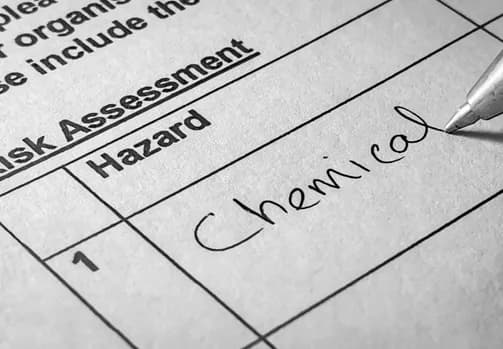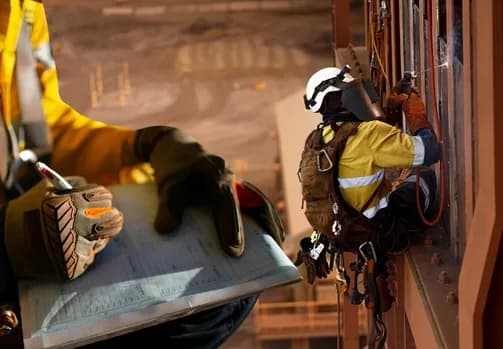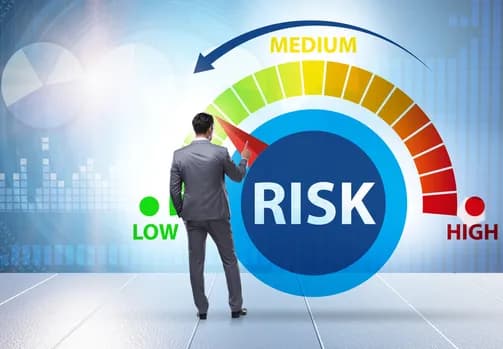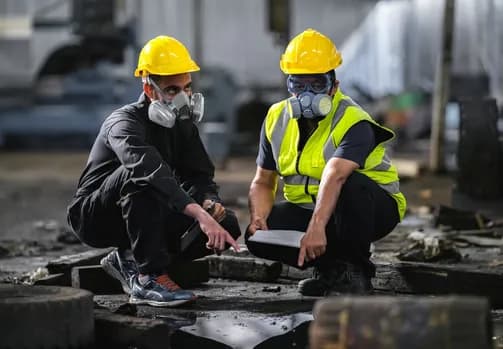

Hazardous materials present significant dangers to both people and the environment. Manufacturing chemicals carry notorious toxicity levels, while industrial waste products create serious health consequences. Despite careful management, accidents occur—sometimes catastrophically. Organisations can mitigate these dangers through thorough risk assessments that anticipate potential hazards before problems develop.
Definition of Risk Assessment
Risk assessment represents a comprehensive process that equips organisations with the knowledge to identify and evaluate possible risks linked to hazardous substances. This systematic evaluation examines potential hazards, their likelihood, severity, location, and frequency. Organisations consider factors like toxicity and explosiveness when developing safety strategies including protective equipment, ventilation systems, and storage solutions.
What is Risk Assessment?
Risk assessment is a comprehensive process that equips organisations with the knowledge to identify and evaluate possible risks linked to hazardous substances, examining their likelihood, severity, location, and frequency.
Why Is It Important?
Regular assessments before handling hazardous substances prove essential for business continuity. Companies that conduct these evaluations can prepare for emergencies and avoid costly incidents. Beyond financial considerations, employers face legal obligations under health and safety legislation to protect workers from harm. Documentation of risk assessments demonstrates due diligence, providing valuable evidence in potential legal disputes following accidents.
What Are Its Advantages?
Comprehensive evaluations offer multiple benefits. Organisations can identify weaknesses in safety protocols by examining their complete work environment in detail. Clear records enable tracking of changes over time, documenting improvements and modifications. If incidents occur, documented evidence of prior risk identification strengthens an organisation's defence regarding due diligence efforts.
Key Benefits of Risk Assessment
- Identify weaknesses in safety protocols
- Track changes and improvements over time
- Build documented evidence of due diligence
- Prepare for emergencies before they occur
- Demonstrate legal compliance
Consequences of Inadequate Risk Assessment
Organisations failing to employ proper risk assessment services face five significant consequences:
Risks of Inadequate Assessment
-
Poorly trained personnel: Inadequate safety knowledge prevents workers from taking proper precautions or providing sufficient training
-
Lack of resources: Insufficient technology and budget prevent adequate employee protection
-
Inadequate knowledge: Expert understanding of hazardous materials prevents misdiagnosis and fatalities
-
Ignored regulations: Noncompliance jeopardises worker well-being and leaves employees unprotected
-
Misleading information: Misinformation causes occupational illnesses and preventable injuries
Sevron Ltd Recommendation
We encourage organisations to elevate their risk assessment services by partnering with experienced professionals. Sevron Ltd emphasises expertise in hazardous substances safety and offers COSHH 365 systems enabling simple and effective risk assessments for entire businesses.
Get Expert Help
Looking to improve your organisation's risk assessment capabilities? Contact Sevron Ltd today for professional guidance on hazardous substance safety management.
FAQs
What is a risk assessment?
The process of proactively identifying, evaluating, and controlling hazards from hazardous substances in workplaces or environments.
How often should assessments occur?
Routinely and whenever workplace changes, task modifications, or new risk information emerges.
What techniques apply?
Hazard identification, analysis techniques, risk evaluation processes, or brainstorming sessions.
Who bears responsibility?
Responsibility varies by setting—employers, managers, supervisors, or employees themselves may conduct assessments.
What control measures exist?
Conducting assessments, developing safe work systems, providing personal protective equipment, ensuring proper storage, and providing safety training.
Conclusion
Risk assessment proves essential for workplace safety involving hazardous substances. By identifying risks beforehand, organisations prevent accidents, ensure compliance, and document due diligence efforts protecting both employees and business interests.
Don't wait until an incident occurs—contact Sevron Ltd today to discuss how we can help your organisation implement effective risk assessment processes for hazardous substances.

Safety & Compliance Experts
The Sevron team brings decades of combined experience in health and safety compliance, risk assessment, and workplace safety solutions.

Reviewed by
Dale Allen
CEO & Founder