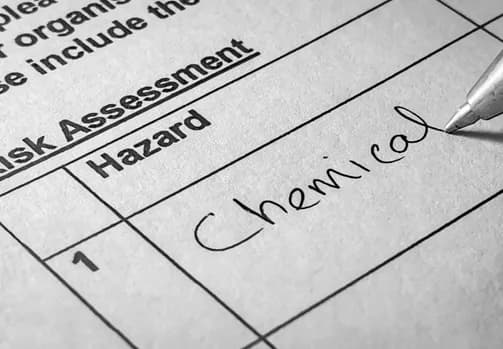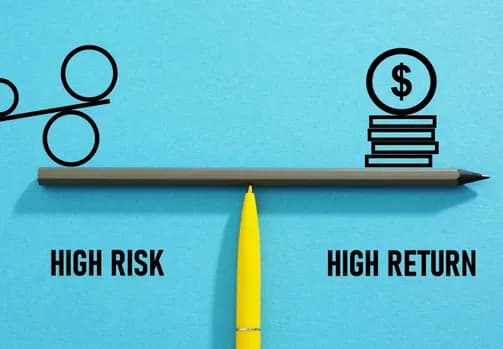

Assessing risks is an integral piece of any entity's security methodology and is vital in recognising and evaluating hazardous substances, as well as devising strategies to reduce or eliminate them. Carefully evaluating work environments to detect potential hazards, such as dangerous chemicals or materials, constitutes a crucial process. Technology serves as an invaluable agent for conducting risk assessments of harmful substances, guaranteeing safer workplaces.
The Basics of Risk Assessment
When addressing hazardous substances and materials, risk assessment represents a critical industry component. The process requires recognizing dangers associated with substance use or production while evaluating exposures and devising risk-reduction strategies.
Businesses depend on risk assessment for informed decision-making regarding production processes and hazardous material disposal. Governments employ similar techniques when formulating laws protecting public health from dangerous environmental substances.
The Role of Technology in Risk Assessment
Understanding the exact nature and degree of risk associated with chemicals or materials proves difficult, even for experienced professionals. Technology simplifies and accelerates this process by providing accurate data about material properties or behaviour under specific conditions.
Predictive analytics software exemplifies this application. It can analyse past data related to a given chemical's reaction patterns to estimate the likelihood of future events occurring with similar materials. This analysis enables organisations to make informed decisions about managing exposure risks more effectively.
Leveraging Data for Better Decisions
Predictive analytics transforms historical chemical reaction data into actionable insights, helping organisations anticipate and prevent hazardous incidents before they occur.
Technology Solutions for Hazardous Substance Risk Management
Multiple technological solutions exist for managing hazardous substance risks. These include:
- Enterprise Resource Planning (ERP) Systems: Comprehensive platforms tracking all operational aspects, including safety protocols
- Specialised Software: Tools like Exposure Modelling Software (EXMO) designed specifically for hazard identification and evaluation
- Mobile Applications: Safety Toolbox and similar apps enabling users to quickly access safety information about chemicals or materials while working in the field
Modern Risk Management Tools
From ERP systems to mobile applications, technology provides multiple pathways for organisations to access critical safety information and manage hazardous substance risks efficiently.
The Importance of Technology in Risk Assessment
Risk assessment for activities involving hazardous substances remains critical for maintaining safe working environments and protecting public health. Technology has become an indispensable tool when it comes to managing these risks more efficiently and accurately, allowing organisations access to detailed information that would otherwise be impossible without significant investment into data analysis capabilities onsite.
Consequences of Inadequate Risk Assessment Teams
Not hiring appropriate professionals for risk assessment can lead to serious consequences for your organisation:
1. Missed Safety Opportunities
Organisations may overlook valuable opportunities to improve safety protocols and reduce liability risks. Without skilled risk assessment professionals, potential hazards may go unnoticed, and proactive safety improvements may never be implemented.
2. Unreliable Data Analysis
Failing to employ experienced teams results in inaccurate data interpretation and poor forecasting, leading to unreliable decision-making. Risk assessments depend on accurate analysis of complex data, which requires specialised expertise.
3. Inefficient Resource Allocation
Unskilled professionals may waste resources on inefficient technologies or processes addressing only partial organisational needs. This leads to gaps in safety coverage while simultaneously overspending in areas that may not require such intensive attention.
4. Increased Financial Burden
Inexperienced workers managing complex risk assessment systems create unnecessary expenses through training, consultancy fees, and repair costs. The long-term financial impact of inadequate risk assessment far exceeds the investment required for proper professional support.
5. Reputational Damage
Poorly managed risk assessments lead to reputational harm through missed regulations, public complaints, or negative media coverage. Once an organisation's safety reputation is damaged, rebuilding trust with employees, customers, and regulators can take years.
The Cost of Inadequate Assessment
The consequences of inadequate risk assessment extend far beyond immediate safety concerns, affecting financial performance, regulatory compliance, and organisational reputation.
Frequently Asked Questions
What is a risk assessment process?
A risk assessment process is an analytical method used to identify and understand potential risks to an organisation or project and to develop strategies for managing those risks. It provides a systematic framework for evaluating hazards and determining appropriate control measures.
What are the main steps of risk assessment process?
The main steps include:
- Identifying potential risks
- Assessing their likelihood
- Evaluating consequences if risks occur
- Implementing risk-reduction actions
How often should a risk assessment be conducted?
Depending on organisational type and complexity, conducting risk assessments regularly, such as annually or biannually, ensures accounting for circumstantial changes. More frequent reviews may be necessary when:
- New hazardous substances are introduced
- Work processes change significantly
- Incidents or near-misses occur
- Regulatory requirements are updated
What are examples of risks that need to be assessed during a risk assessment process?
Examples include:
- Financial loss from poor decision-making
- Legal implications from inadequate policies or procedures
- Damage from accidents or natural disasters
- Reputational harm from negative media coverage
- Health impacts from exposure to hazardous substances
- Environmental contamination from improper handling or disposal
How can a company ensure its risk assessment process is successful?
Success requires involving all relevant stakeholders throughout the process while maintaining open, honest communication. Additionally, implementing identified mitigating measures accurately and promptly proves essential. Key factors include:
- Engaging employees at all levels in hazard identification
- Using appropriate technology to support data collection and analysis
- Regularly reviewing and updating assessments
- Ensuring proper training for all personnel involved
- Maintaining clear documentation and communication channels
At Sevron, we understand the critical importance of risk assessment for hazardous substances. Using advanced technological tools, we help ensure workplace safety and security by tailoring customised packages to meet individual client needs. Learn more about our risk assessment solutions.
Tags:

Safety & Compliance Experts
The Sevron team brings decades of combined experience in health and safety compliance, risk assessment, and workplace safety solutions.

Reviewed by
Dale Allen
CEO & Founder