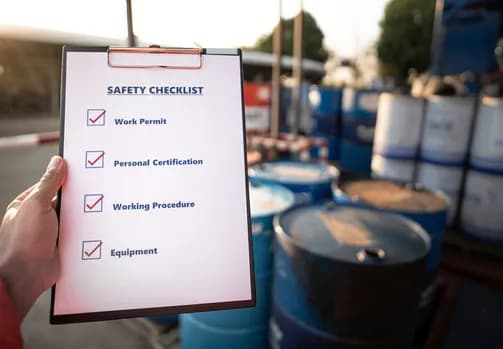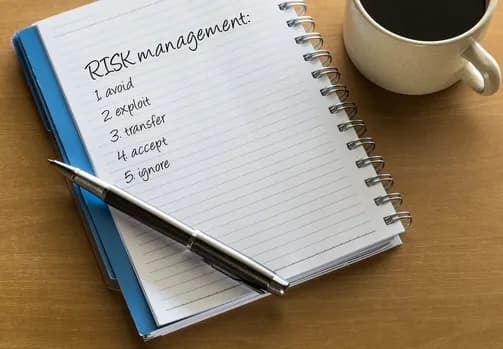

HSE risk assessment guidance is an integral part of a business's overall health and safety management. They help identify potential hazards that could arise from activities in the workplace, allowing employers to take proactive steps to minimise these and protect their employees.
With the right guidance, companies can conduct their assessments that provide thorough coverage and assurance of a safe working environment.
The Basics of Risk Assessments
Risk assessments involve identifying hazards in the workplace, assessing how likely it is that persons will be harmed by them as well as evaluating what steps should be taken to prevent or minimise this harm.
Employers must review all existing risk assessments regularly, especially when changes occur in the workplace, such as new equipment or personnel.
Analysing Risks in Detail
When conducting an HSE risk assessment, it's important to pay attention to details at both macro and micro levels. A comprehensive analysis should look at how individual tasks interact with each other over time for a fuller picture of possible threats that may affect personnel or materials within the workplace.
The aim is to develop better ways to reduce or eliminate any potential health or safety threats or design emergency procedures should they occur.
Effective Documentation and Communication
A key factor in successful HSE risk assessments is effective communication between all stakeholders throughout the process - from management teams through to employees on site - ensuring everyone involved understands what needs to be done, as well as any changes made along the way.
It's also important for employers to ensure that all relevant documents are up-to-date and easily accessible for reference when needed.
The Ultimate HSE Risk Assessment Guidance
For companies looking for guidance on how best to perform health and safety risk assessments in the UK, there is no better source than our solutions here at Sevron Ltd.
Get crystal-clear direction on how you can successfully evaluate your workplace risks while adhering to UK safety rules with this comprehensive guide. By aiding employers in crafting a secure workplace environment, our services help them avoid the hefty fines associated with regulatory non-adherence.
Conducting an efficient HSE risk assessment is essential for any organisation, as it can minimise the possibility of accidents and injuries occurring. Sadly, when hiring a company to provide guidance, many possible stumbling blocks can come up. To guarantee that your business is meeting statutory requirements and safeguarding its employees, here are five pitfalls to prevent when selecting the right company for the job.
Five Key Pitfalls to Avoid When Choosing a Risk Assessment Provider
Common Mistakes to Avoid
1. Ensure that the provider you choose is suitably qualified
They must have all of the necessary qualifications, or else they may not be able to provide current advice on safety regulations nor possess specialised knowledge in your sector.
2. Lack of experience and expertise
Look for a company that has been operating for some time with a proven track record and good reputation in providing guidance. Check their portfolio of previous projects, too, as this will give you an indication of the quality of their work.
3. Poor communication
As the quality of your assessment will depend largely on how well your provider understands your needs, it's important to choose one who takes time to listen and fully comprehends what you're looking for before offering solutions.
4. Uncompetitive prices
While cost should not be the only factor in deciding who to hire, make sure you don't overpay either; shop around and compare quotes to get value for money without compromising quality.
5. Inadequate aftercare support
What happens if something goes wrong? Having someone available who can provide quick advice or assistance in rectifying any issues is vital, so make sure you ask potential providers about their aftercare service before committing yourself to them.
Take Control of Your Assessment and Trust Our Experts
Don't take chances with who gives your company HSE risk assessment guidance - make sure you partner with an experienced provider like Sevron Ltd, which can guarantee exceptional results every time.
You can also explore Sevron's risk assessment form for a practical, ready-to-use way to capture hazards and controls as you follow HSE guidance.
With years of experience across a variety of industries, we provide comprehensive advice tailored specifically to meet your needs coupled with award-winning customer service support - contact us today.
Stay Connected
We are grateful to you for reading our blog post regarding understanding and managing risk assessment. We're confident that you've found this content invaluable in some capacity. To gain a deeper understanding, we invite you to delve into our other risk assessment blog posts on the topic.
Our greatest concern is always the safety of your team in any circumstance. Show your dedication to health and security issues by following us on Instagram, Facebook, Twitter or LinkedIn right now. Stay up-to-date with relevant news and updates so that you are always aware.
FAQs About HSE Risk Assessment Guidance
What is HSE risk assessment guidance?
The UK Health and Safety Executive has developed a detailed set of protocols, referred to as HSE risk assessment guidance, for employers to identify potential risks within the workplace and devise remedies for lessening these dangers.
When should I use HSE risk assessment guidance?
For any new processes or alterations to existing ones, corporations ought to utilise HSE risk assessment guidance to recognise, assess, control and monitor potential health and safety risks.
What are the main elements of HSE risk assessment guidance?
When it comes to HSE risk assessment guidance, the cornerstone is identifying potential hazards and assessing how likely they are to occur as well as their degree of personal harm. Risk control can be achieved through preventive measures which need to be regularly inspected for efficacy and documented accordingly in records.
Who is responsible for carrying out HSE risk assessments?
Employers must take the initiative to ensure a safe working environment for their employees. As part of this commitment, they should conduct risk assessments following HSE standards and guidelines. Depending on the company's size and structure, supervisors may be responsible for leading or aiding with the process.
How often should organisations review their HSE risk assessments?
Review Frequency
Companies are urged to assess and reassess their risks at least annually, as well as whenever significant changes take place in the operations that could cause either new dangers or already present hazards.

Safety & Compliance Experts
The Sevron team brings decades of combined experience in health and safety compliance, risk assessment, and workplace safety solutions.

Reviewed by
Dale Allen
CEO & Founder