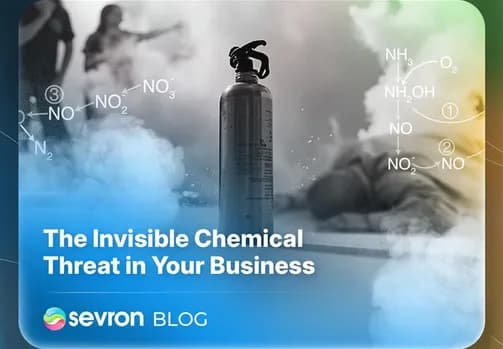

Nitrous oxide is widely used in catering, cosmetics, and healthcare. While commonly known as laughing gas and perceived as harmless, its reputation masks serious danger when used in aerosol cans. Safety managers often overlook nitrous oxide aerosols, treating them like regular inventory rather than volatile chemical hazards, potentially leading to serious incidents and compliance failures.
Understanding Nitrous Oxide
Nitrous Oxide (N2O) is a colourless and odourless gas used legally in:
- Propellants in whipped cream charges
- Cosmetic and beauty procedures
- Medical or dental anaesthesia
Associated Dangers:
- Asphyxiation - can displace oxygen in confined spaces, causing unconsciousness or death
- Cold burns - can damage exposed skin and tissue
- Explosion risk - pressurised containers can rupture due to heat or mishandling
- Neurological damage - constant exposure can cause lasting brain injury
Critical Warning
Untrained staff, poor storage, and lack of preventative controls turn nitrous oxide aerosols into high-risk liability.
Industry-wide Blind Spots
Sectors commonly affected include:
- Hospitality and catering
- Food production and retail
- Beauty and cosmetic services
- Warehousing and fulfilment centres
Staff often become accustomed to these products, storing them with standard supplies without proper chemical safety training.
Legal Obligations Under COSHH
Businesses must:
- Identify and clearly label hazardous substances
- Perform detailed, task-specific COSHH assessments for all hazardous products
- Provide suitable, ventilated storage away from ignition sources
- Train all staff who handle, transport, or store aerosols
- Implement emergency response and misuse detection procedures
Practical Steps to Ensure Compliance
Step 1: Get Certified
Free chemical safety training is available from accredited providers. The Knights of Safety Academy offers free COSHH certification courses covering aerosol hazards, risk management, and misuse signs.
Step 2: Be Competent
COSHH risk assessments must be thorough and specific. Sevron's COSHH365 software enables businesses to generate accurate, tailored assessments. Generic templates fail to address actual workplace conditions.
Step 3: Stay Compliant
- Regularly audit aerosol storage and handling procedures
- Provide ongoing staff training refreshers
- Maintain clear compliance records
- Proactively identify potential misuse
The Cost of Ignoring Aerosol Risks
Serious Consequences
- Pressurised cans can rupture unexpectedly, causing injury or property damage
- Nitrous oxide misuse can result in severe health consequences, including fatalities
- Non-compliance can lead to regulatory fines, prosecution, and business interruption
Quick Compliance Check
Critical Questions
Ask yourself these questions to assess your current compliance status:
- Are all aerosol products clearly identified as hazardous where applicable?
- Have you completed detailed, task-specific COSHH assessments?
- Are storage conditions regularly reviewed and properly ventilated?
- Is your team trained to handle aerosol-related emergencies?
- Do you have procedures to detect misuse or unsafe handling?
Immediate Actions to Stay Protected
Take Action Now
- Train Your Staff: Access free resources from The Knights of Safety Academy's chemical safety courses
- Review Assessments: Use task-based risk assessments
- Stay Informed: Subscribe to Safety-Verse on YouTube for ongoing updates
Compliance is not simply about regulations. It is about protecting people, ensuring operational safety, and maintaining trust in your business.
Ready to ensure your workplace meets COSHH requirements for nitrous oxide and other aerosol products? Book a complimentary 15-minute consultation with our safety specialists today.

Safety & Compliance Experts
The Sevron team brings decades of combined experience in health and safety compliance, risk assessment, and workplace safety solutions.

Reviewed by
Dale Allen
CEO & Founder