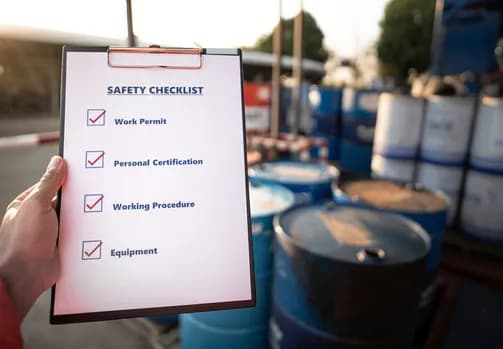

A risk assessment is a process which involves identifying possible hazards and evaluating their associated risks to determine the best way to manage them. It helps organisations understand what sort of activities could lead to harm and what needs to be done for these activities not to occur or for any harm caused by those activities to be minimised as much as possible.
Risk assessments are essential for businesses that want to remain compliant with relevant legislation, protecting not only their workers but also the public from any potential harm that their activities may cause.
Why Conduct a Risk Assessment?
Conducting a thorough risk assessment helps organisations prepare themselves for any potential issues they may face while carrying out day-to-day operations. It enables them to identify potential risks before they become major problems and takes into account both external factors (such as changes in legislation) and internal ones (such as staffing levels).
By taking these steps, organisations can better plan, ensure compliance with regulations and better manage any potential consequences of their actions.
How to Conduct an Effective Risk Assessment
When conducting a risk assessment, all aspects must be taken into account, including financial implications, health and safety considerations, legal obligations etc., so that a comprehensive picture can be formed of the risks associated with each activity or decision being made by an organisation. Additionally, it should involve all stakeholders - from employees through management - as everyone should have an understanding of what's involved when undertaking specific activities or tasks so that any associated risks can be identified quickly and effectively managed if necessary.
Risk assessments should also be conducted regularly (ideally at least annually) to take account of any changes which may have occurred since the last one was carried out - such changes could include new legislation introduced since then or changes in staffing levels amongst other things - so that all areas are covered appropriately. Furthermore, when assessing certain activities there may need to be more frequent reviews so that all information regarding those activities is kept up-to-date; this could include anything from safety inspections to emergency procedures etc.
Key Takeaway
Through comprehensive risk assessments organisations can make informed selections that will assist them in mitigating risks and staying up to date with regulations.
Consequences of Inadequate Risk Assessment
Navigating uncertainty can be a difficult process. Without the assistance of a risk assessment company to provide insight and guidance, businesses run the risk of making critical errors that can have long-term negative implications. Here are some examples of failures that could occur if you don't hire a risk assessment company:
Potential Failures Without Professional Risk Assessment
-
Poor decision-making due to inadequate analysis of available data: Without expert analysis, businesses may make decisions based on incomplete or inaccurate information and predictions, leading to costly mistakes.
-
Losses from unforeseen events: In uncertain times, unexpected developments can cause serious losses for companies who haven't made appropriate preparations for such scenarios with professional guidance.
-
Damage to reputation from avoidable blunders: Risk assessment companies help businesses mitigate risks and avoid embarrassing public missteps that can damage their reputation and credibility.
-
Missed opportunities to capitalise on advantageous situations: Companies without effective risk management strategies may miss out on key opportunities that could boost their success and profits in the long run.
-
Long-term financial vulnerability due to inadequate cash flow management: Without careful cash flow management informed by up-to-date market trends, businesses could face difficulty staying afloat or expanding in the future due to lack of resources.
Secure Your Future with Sevron Ltd: Expert Risk Assessment Services
Are you looking to protect your business from unexpected disruptions? Navigating uncertainty is essential for any organisation in today's volatile environment. Fortunately, Sevron Ltd offers expert risk assessment services that can give you peace of mind. With decades of experience and a proven track record, we can help you identify potential risks and develop strategies to minimise disruption.
Our team of certified specialists are dedicated to providing exceptional customer service, so you can rest assured knowing that your future is secure when you choose Sevron Ltd. Contact us today to get started.
Thank You for Reading
We are grateful you have taken the time to read this blog and we hope it has been informative. If you would like to learn more about this topic, be sure to check out our other risk assessment blog posts.
Check out our website and discover a wealth of exclusive content! We feature expertly crafted blog articles and the latest news about our products and services. Plus, by becoming part of our online community you can join in exciting competitions with great prizes.
Frequently Asked Questions About Risk Assessments
What is risk assessment?
Risk assessment is a process that identifies potential hazards, evaluates the risks they pose, and determines measures to reduce or eliminate those risks.
What are the steps involved in risk assessment?
The steps generally include identifying hazards, evaluating risks, deciding on control measures, recording findings and monitoring reviews.
How often should risk assessments be conducted?
Risk assessments should be carried out regularly to ensure that any changes in the workplace do not create new risks.
Are there different types of risk assessment?
Yes, there are qualitative and quantitative risk assessments. Qualitative assesses the likelihood of an event occurring and its potential consequences but does not provide numerical measurements. Quantitative analysis techniques measure both likelihood and consequence in numerical terms.
What are the benefits of carrying out a risk assessment?
Benefits of Risk Assessments
Risk assessments help identify potential hazards, reducing the chances of someone being injured or becoming ill due to their work environment. They can also help companies comply with relevant regulations, reduce insurance premiums and increase productivity levels.

Safety & Compliance Experts
The Sevron team brings decades of combined experience in health and safety compliance, risk assessment, and workplace safety solutions.

Reviewed by
Dale Allen
CEO & Founder