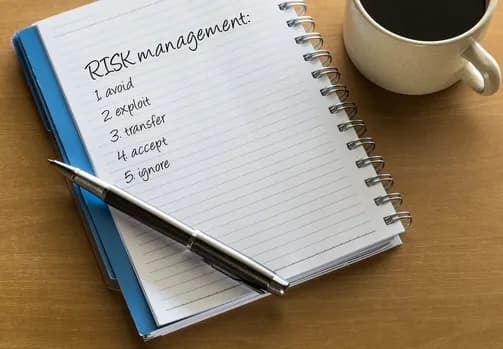

A successful HSE risk assessment helps ensure that appropriate and effective measures are taken to identify hazards, reduce risks, comply with regulations, and create a safe working environment.
Health and safety in the workplace is an important factor that affects the well-being of both employees and employers. This blog post will discuss best practices for conducting an effective HSE risk assessment, as well as provide some helpful tools and resources.
Preparation
Before starting a risk assessment, it's important to set up the right environment.
Preparation Checklist
Make sure to:
- Gather all relevant personnel who are involved in the process
- Review existing policies and procedures related to health and safety
- Identify any areas of concern or potential risks within the working environment
- Establish goals for improvement
- Assign tasks to the appropriate people
- Designate reporting requirements
- Schedule follow-up reviews if needed
Identify Hazards
The next step is identifying hazards within your organisation's operations. This includes anything from physical dangers such as falling objects or chemical exposure to mental health hazards like high levels of stress or anxiety caused by poor management practices.
Use observation surveys, interviews with staff members, hazard checklists and other methods to determine which risks need to be addressed most urgently.
Assess Risks
Once hazards have been identified, it's time to assess the associated risks using established criteria such as the severity of harm or probability of occurrence.
This can be done through interviews with knowledgeable personnel or research into the scientific literature about hazardous substances or activities taking place at your workplace. Consider also how important each risk factor is relative to other factors to prioritise them correctly.
Develop Control Measures
To mitigate risks identified during assessments, you'll need to implement control measures that address each hazard individually or collectively, depending on its level of threat and complexity.
Types of Control Measures
These could range from:
- Simple solutions like installing proper warning signs around dangerous equipment or chemicals
- Providing personal protective equipment (PPE)
- Implementing engineering controls such as ventilation systems
- Providing extensive training programs
- Carrying out regular inspections
- Offering guidance on safe work practices
- Scheduling maintenance services
- Implementing administrative controls such as enforcing strict rules around chemical use
Monitor and Evaluate the Performance
Finally, once control measures have been implemented, they must be regularly monitored. This ensures they're being followed properly by all personnel involved in the process as well as updated accordingly when changes occur within your organisation's operations (e.g., new machinery being introduced).
Evaluation should also take place regularly to measure their effectiveness while also allowing for further improvements where needed.
Conclusion
In conclusion, there is no one size fits all approach when it comes to conducting HSE risk assessments effectively but following these best practices together with available resources should go a long way towards ensuring safe working conditions for everyone involved - employers and employees alike.
By not hiring the right company, businesses can be subjected to a range of potentially costly failures. These include financial losses and failing to meet industry safety standards as well as decreased employee morale. Understanding the importance of proper HSE risk assessment is integral for successful businesses.
Risks of Inadequate HSE Risk Assessment
Consequences of Inadequate Risk Assessment
Failing to properly identify environmental risks: All businesses must conduct HSE risk assessments to understand what environmental risks could affect the business's operations. Without this knowledge, businesses can suffer financial losses due to being unprepared for unexpected environmental events or neglecting compliance requirements.
Neglecting safety regulations and standards: By not adhering to safety regulations and standards, businesses are leaving themselves open to a wide variety of avoidable incidents that can lead to financial losses, reputational damage and an increase in insurance costs.
Unforeseen costs related to hazardous materials: With an inadequate understanding of hazardous materials present in the workplace, businesses can be exposed to significant financial losses due to unplanned expenditures on remediation activities or fines from regulatory bodies.
Poor employee morale caused by unsafe conditions or practices: Having unsafe practices or conditions in the workplace leads directly to a decrease in employee morale which can lead to reduced productivity and increased staff turnover.
Lack of expertise leading to poor decision-making: Without having the necessary expertise when conducting an HSE risk assessment, businesses may fail to identify important risks and make decisions that could have long-term implications for their future success.
Unlock Your Business's True Potential with Sevron
At Sevron Ltd, we have years of experience helping organisations like yours unlock their true potential through our expert HSE risk assessment. Our team of experienced professionals are dedicated to ensuring your business meets all relevant safety regulations while keeping your employees safe at all times.
From identifying existing risks within your workplace environment through analysis and evaluation processes to implementing appropriate control measures so that no harm comes your way - you can rest assured knowing we have you covered. Reach out today for more information about how our services can benefit your business.
Thank You for Reading
We hope you've enjoyed learning about HSE risk assessment in this blog. We invite you to explore our other blogs related to this topic, including Avoid these 5 common mistakes when conducting an HSE risk assessment.
Stay up-to-date with the freshest news by following us on social media. At Sevron Ltd, we appreciate our customers and consistently strive to keep you informed about the most recent updates regarding our services, deals and news. Follow us on LinkedIn or Facebook - it's an effortless way to stay informed.
FAQs About an HSE Risk Assessment
What is an HSE risk assessment?
HSE risk assessments are an invaluable tool for ensuring that the workplace is safe, secure and compliant with health and safety regulations. By assessing potential risks to employees, you can take necessary precautions to protect them from any harm or injury.
When should an HSE risk assessment take place?
Whenever any new activity or modifications in working conditions might create a hazard, an HSE risk assessment should be conducted. It is also important to review the assessment regularly to guarantee its effectiveness.
Who should carry out an HSE risk assessment?
For the best results, an HSE risk assessment should be conducted by someone with ample experience and familiarity with health and safety laws.
What needs to be included in an HSE risk assessment?
Every assessment should include the purpose, affected individuals, potential risks and hazards, current preventative mechanisms in place, as well as suggestions for additional action to take.
What happens after the completion of an HSE risk assessment?
Post-Assessment Actions
After analysing the results of the assessment, any essential variations must be made and communicated to those impacted by them. Moreover, it's important to document these changes for future reference.
Tags:

Safety & Compliance Experts
The Sevron team brings decades of combined experience in health and safety compliance, risk assessment, and workplace safety solutions.

Reviewed by
Dale Allen
CEO & Founder