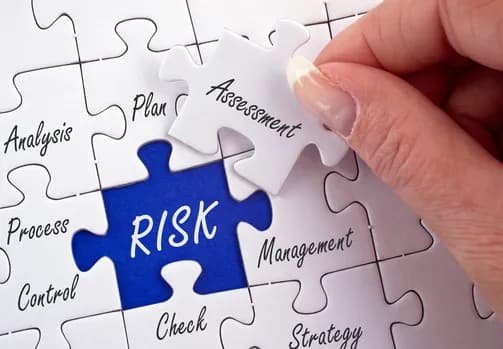

Risk assessment constitutes a critical component of regulatory compliance that enables organisations to identify, assess, and manage risks preventing operational disruption. Companies must maintain effective processes to ensure compliance with UK and industry-specific regulations.
What's Involved in the Risk Assessment Process?
Organisations must execute three primary components to establish an effective risk assessment process:
Comprehensive Risk Analysis (CRA)
A Comprehensive Risk Analysis involves a detailed examination of regulatory risks and their business impact, plus assessment of compliance with existing operational requirements. This thorough analysis helps organisations understand the full scope of potential risks they face.
Risk Control Framework (RCF)
A Risk Control Framework is the implementation of policies identifying areas requiring additional controls to minimise noncompliance risks throughout operations. This framework provides the structure needed to manage identified risks effectively.
Internal Compliance Programme (ICP)
An Internal Compliance Programme provides comprehensive guidance on regulatory adherence through training, education, communications, enforcement processes, and monitoring activities. This programme must include reporting procedures and remedial action protocols.
Documentation Best Practice
Additionally, organisations should maintain updated records enabling easy monitoring of changes and developments. Good documentation is essential for demonstrating compliance during audits.
Benefits of Effective Risk Assessments
Implementing effective risk assessments delivers substantial benefits across multiple areas of your organisation:
Financial Protection
Regular assessments reduce exposure to fines or penalties resulting from noncompliance issues. By identifying and addressing risks proactively, organisations can avoid costly enforcement actions.
Operational Continuity
Proactive risk identification prevents disruption from regulatory changes or market shifts. When you understand your risk landscape, you can adapt more quickly to changing circumstances.
Strategic Advantage
Early risk understanding enables development of robust management strategies before problems emerge. Organisations that anticipate risks can turn potential threats into competitive advantages.
Organisational Resilience
Dedicated monitoring and documentation systems improve overall quality assurance structure and preparedness against external threats. A resilient organisation can weather challenges that might overwhelm less prepared competitors.
Five Key Failures in Risk Assessment Provider Selection
Common Mistakes to Avoid
When selecting a risk assessment provider, organisations frequently make critical errors that undermine the effectiveness of their compliance efforts.
When choosing a risk assessment provider, be aware of these common failures:
-
Poor understanding of UK's unique regulatory landscape - Leading to inaccurate assessments that fail to address the specific requirements of UK regulations.
-
Overlooking critical components - Such as vulnerability identification and control formulation, which are essential for a comprehensive assessment.
-
Failing to monitor external regulatory environment changes - Regulations evolve constantly, and assessments must account for upcoming changes.
-
Neglecting to research consultant experience and qualifications - Not all providers have the expertise needed for your specific industry or risk profile.
-
Overlooking cost-effectiveness - By prioritising price over service quality, organisations may end up with inadequate assessments that cost more in the long run.
How Sevron Ltd Can Help
Sevron Ltd is here to help organisations achieve the best result and maximise your performance. Our team of experienced professionals understands the complexities of UK regulatory compliance and can guide you through the risk assessment process with confidence.
Contact us today to discuss how we can support your compliance objectives.
FAQs About the Risk Assessment Process
What is risk assessment?
Risk assessment is the process of identifying, assessing and managing potential risks to minimise their impact on an organisation or individual. It forms the foundation of effective health and safety management.
What are the steps involved in the risk assessment process?
The risk assessment process involves:
- Defining the assessment scope
- Identifying potential risks and sources
- Assessing likelihood and severity of each risk
- Developing mitigation strategies
- Regular monitoring and review
How often should risk assessments occur?
Frequency Guidance
Generally, risk assessments should be conducted regularly, with frequency depending on circumstantial changes. Initial assessments are required for new projects or activities, and reviews should occur whenever significant changes take place.
Who is responsible for conducting risk assessments?
Suitably qualified personnel who have been trained in risk management principles should conduct risk assessments. This includes individuals with expertise in hazard identification and analysis.
What actions reduce identified risks?
Actions to reduce identified risks include:
- Modifying processes to eliminate or reduce hazards
- Introducing additional safety measures
- Providing appropriate training to staff
- Implementing monitoring procedures to track effectiveness
Take Action Today
Don't leave your regulatory compliance to chance. A comprehensive risk assessment process is essential for protecting your organisation from operational disruption, financial penalties, and reputational damage.
Contact Sevron Ltd to learn how our expert team can help you establish an effective risk assessment process that meets UK regulatory requirements.
Tags:

Safety & Compliance Experts
The Sevron team brings decades of combined experience in health and safety compliance, risk assessment, and workplace safety solutions.

Reviewed by
Dale Allen
CEO & Founder